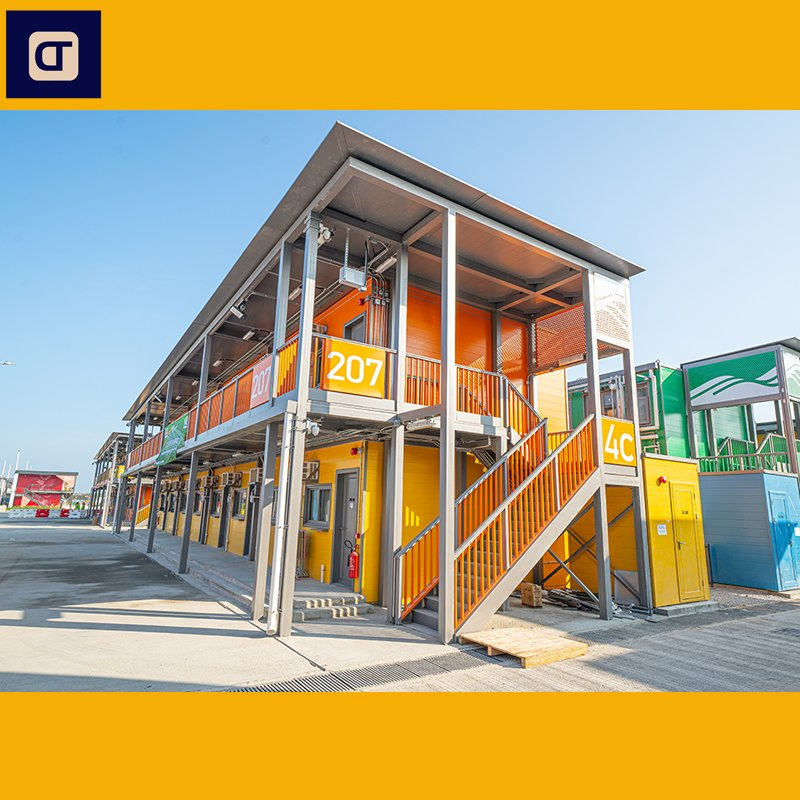
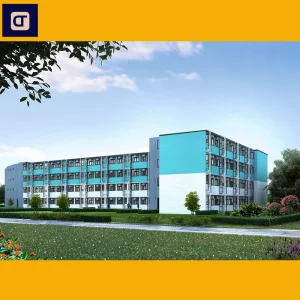
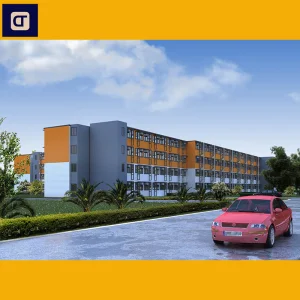
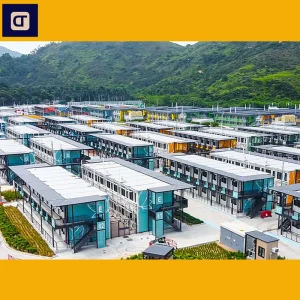
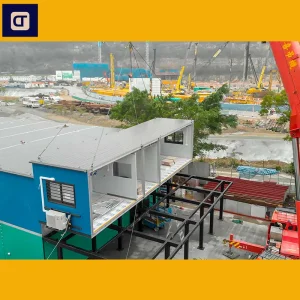
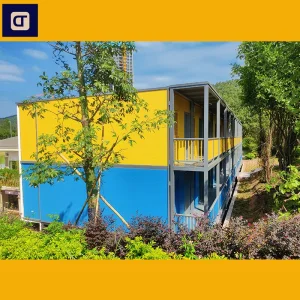
What is MiC?
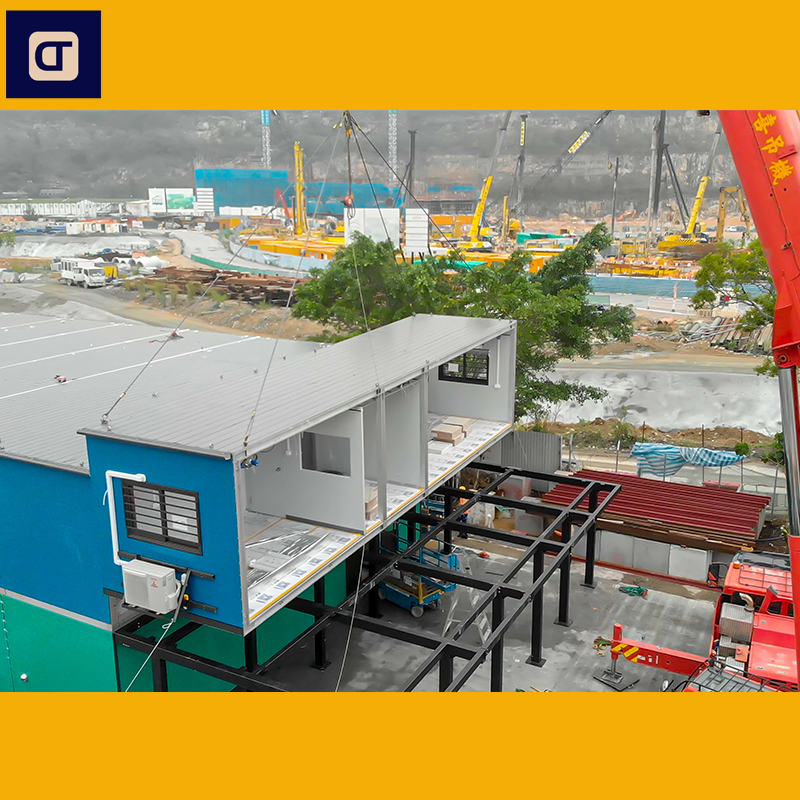
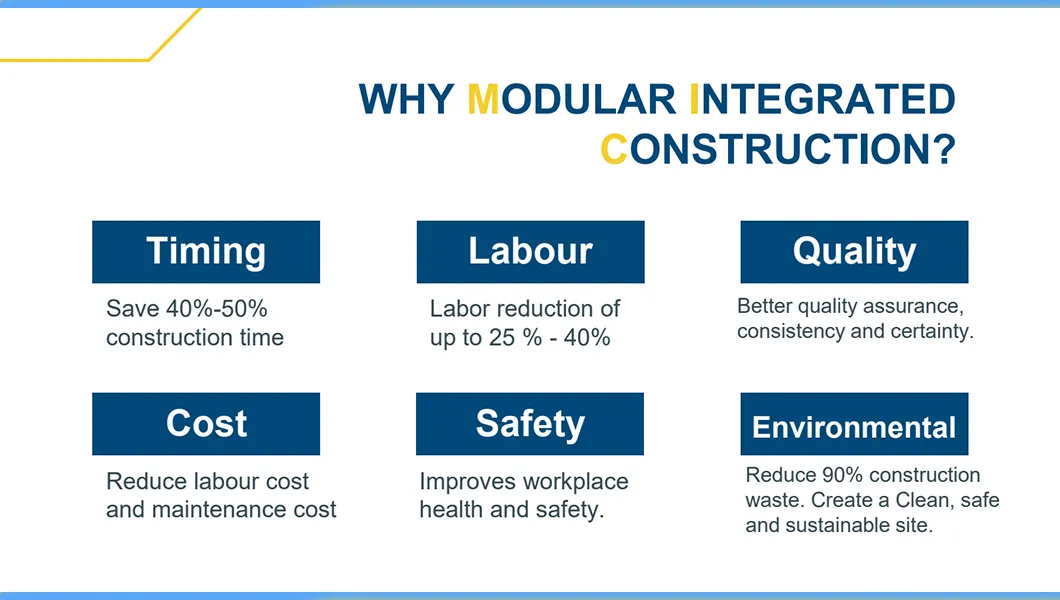
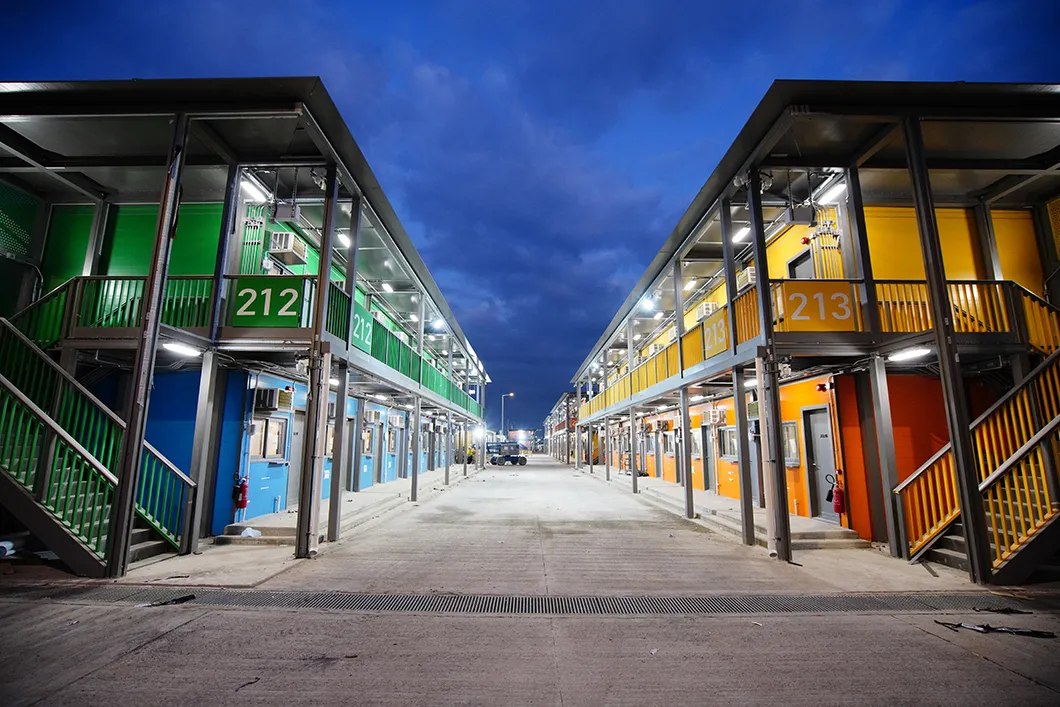
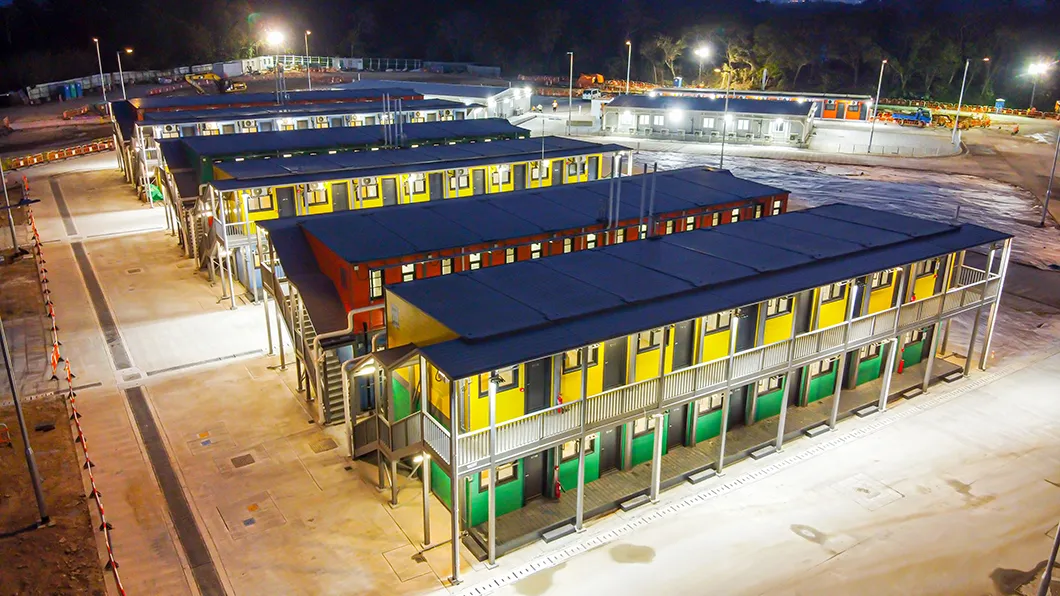
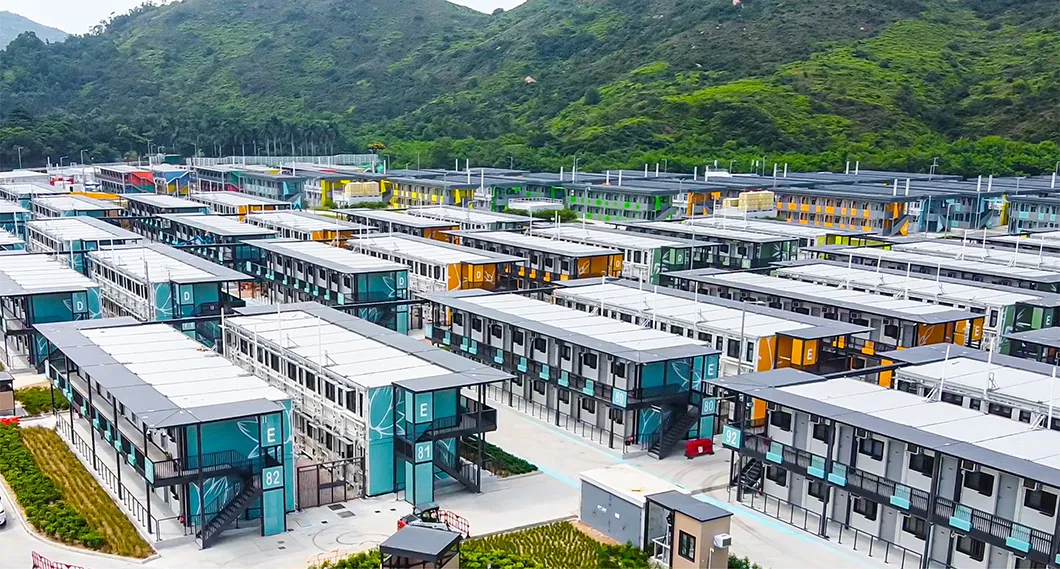
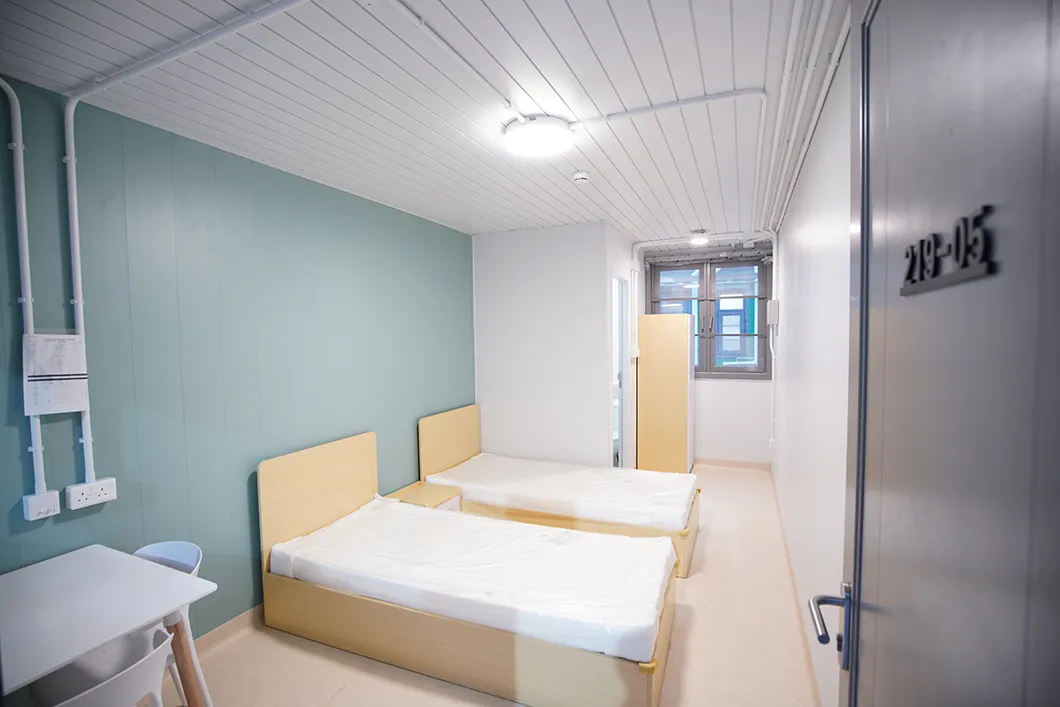
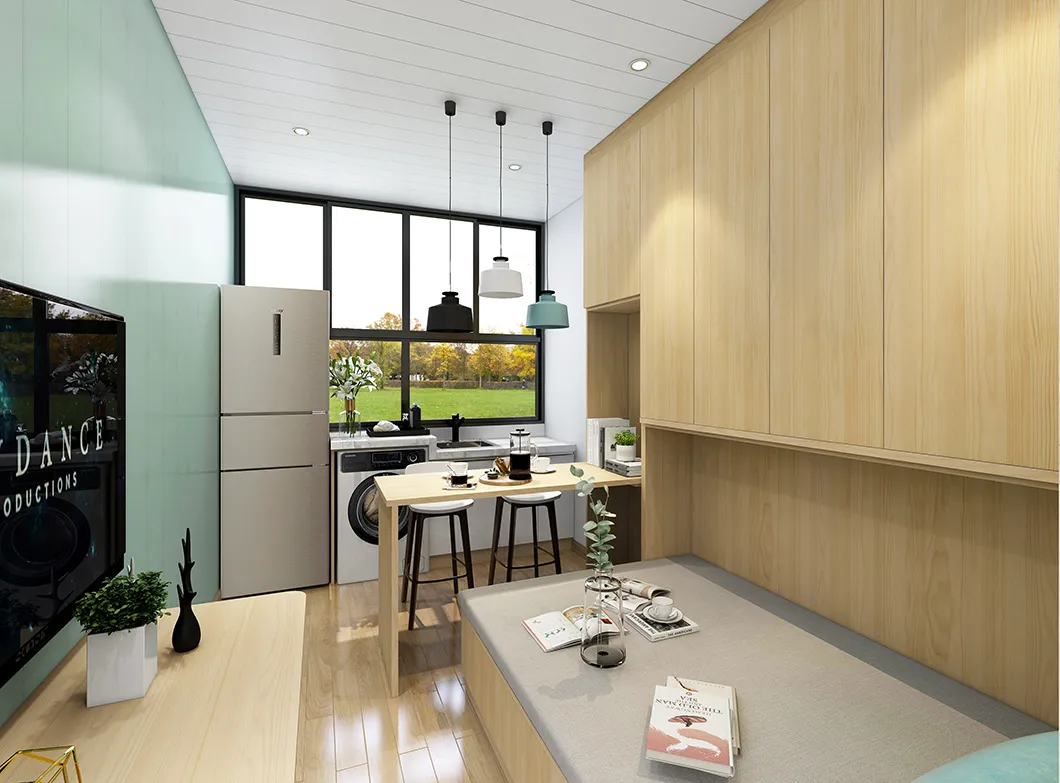
MiC (Modular Integrated Construction) is an innovative construction method where the building is substantially completed off-site. This significantly reduces on-site construction processes and enhances site safety, achieving higher productivity.
The MiC Process:
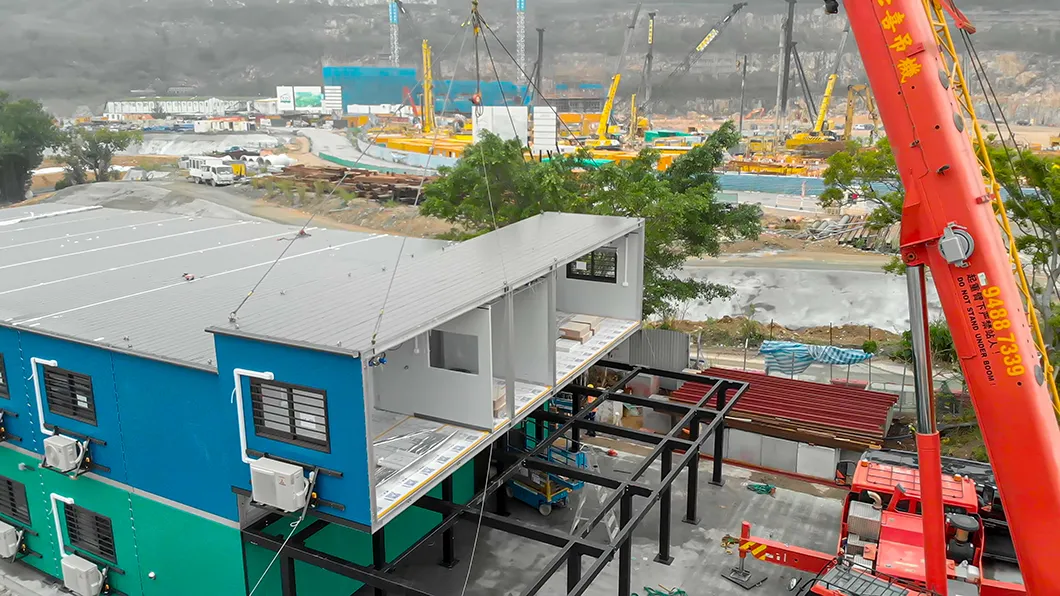
- ➤ 1. Free-standing integrated modules manufactured in a factory (with finishes and fittings).
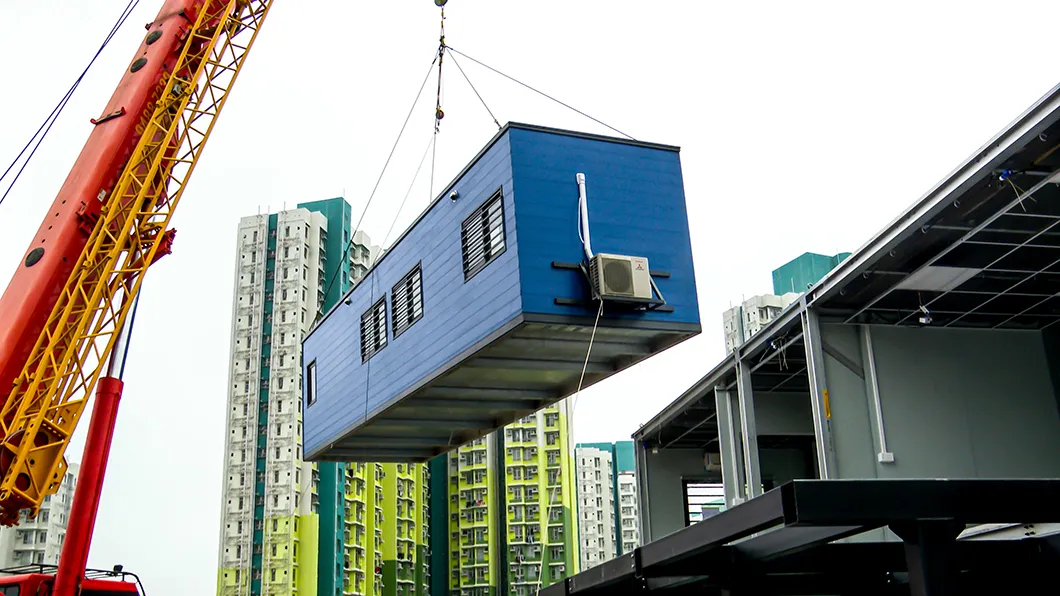
- ➤ 2. Modules transported to the construction site.
- ➤ 3. Modules installed to form a complete building.
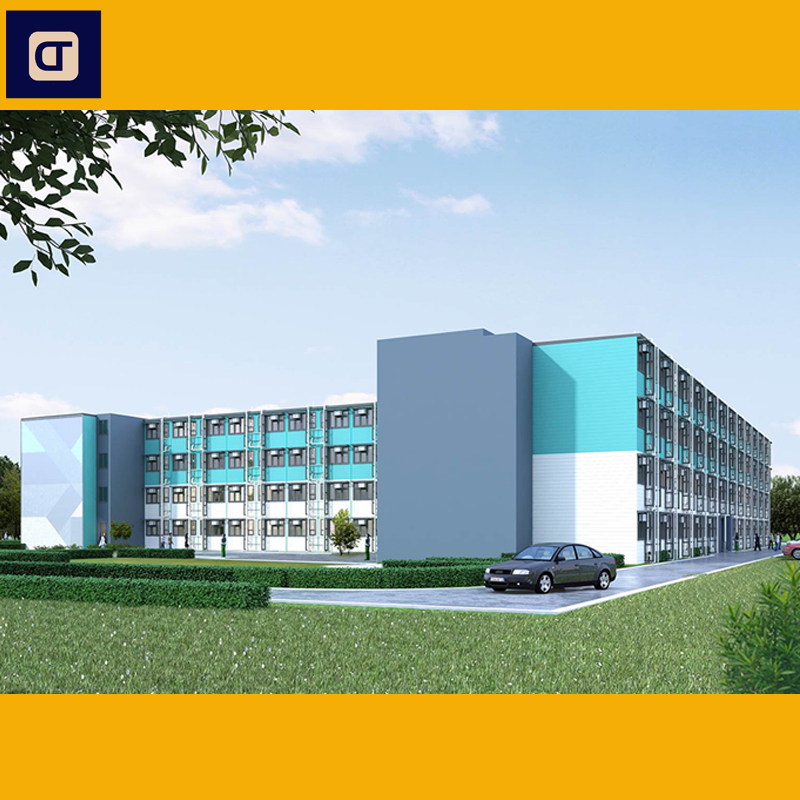
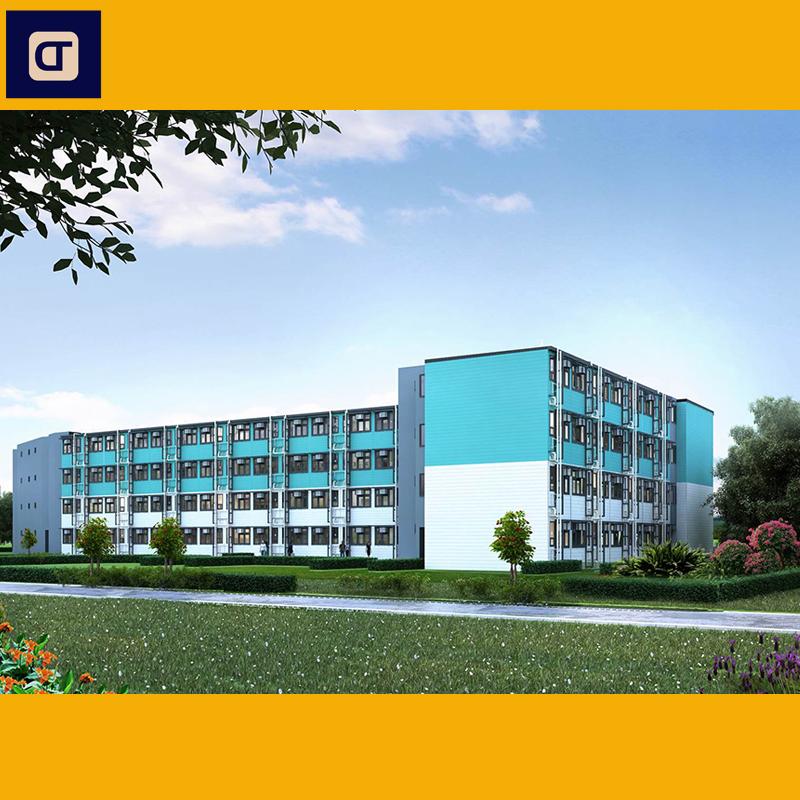
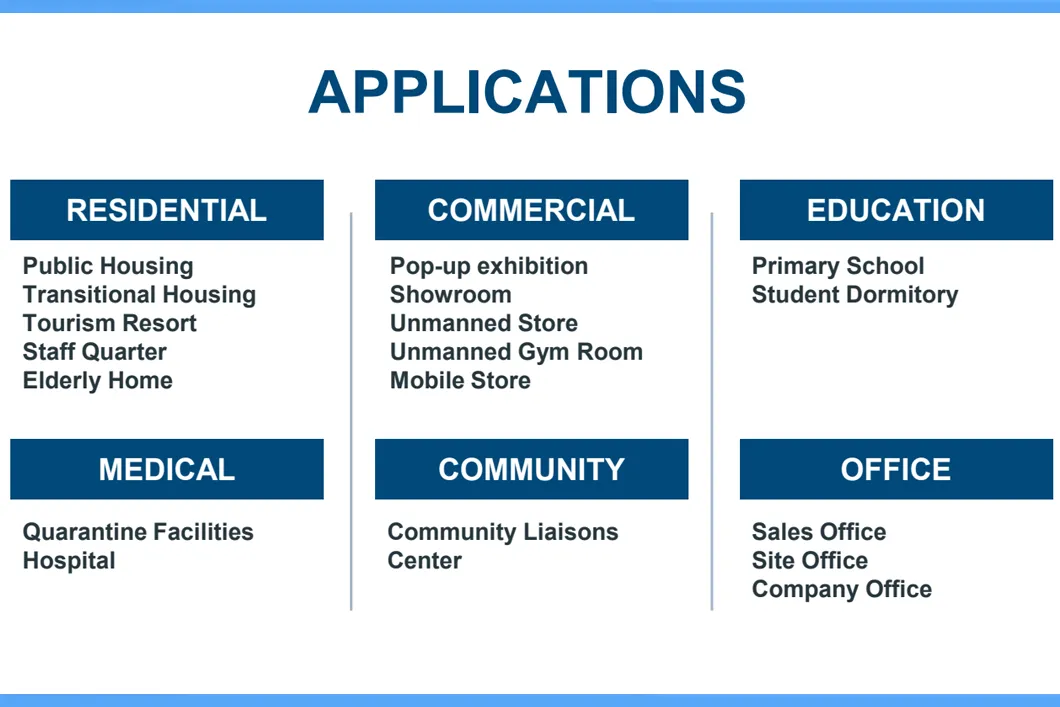
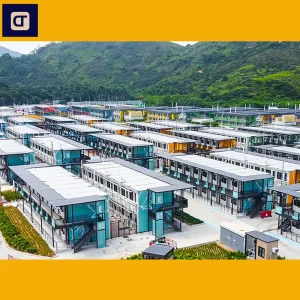
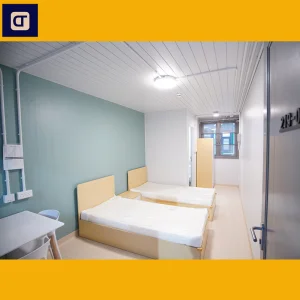
Our Modular Integrated Construction system can be built up to 40 stories, suitable for schools, apartments, hospitals, dormitories, and office buildings.
⚙ 1. Steel MiC
Formed of structural steel members as the main frame and RC slab as the floor system. Designed for serviceability and ultimate limit states. Production cycle: 10-15 days per unit.
🏗 2. Concrete MiC
Production capacity up to 180,000 square meters. Features include QSPSC certificated laboratory, automatic steel processing lines, and sewage treatment systems.
🚚 3. Aluminum MiC
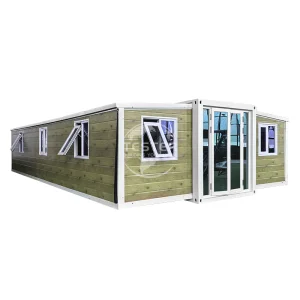
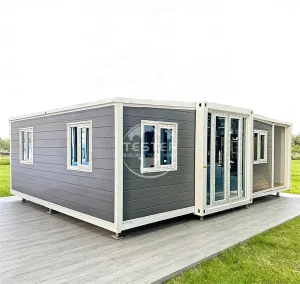
Each module uses aluminum structural members for the frame, interior decoration, and exterior cladding. 10-day production cycle. Ideal for mobile houses up to 4 stories.
What is Modular Integrated Construction (MiC)?
MiC is an innovative method where building modules are substantially completed in a factory off-site, then transported and installed on-site, enhancing safety and productivity.
How many stories can be built using this modular system?
Our modular system is advanced enough to support high-rise buildings reaching up to 40 stories.
What are the different types of MiC structures available?
We offer three main series: Steel MiC (structural steel frame), Concrete MiC (volumetric concrete), and Aluminum MiC (aluminum frame and cladding).
What is the production cycle for a single module?
Depending on the material, the cycle is approximately 10 days for Aluminum modules and 10-15 days for Steel modules.
Is the modular construction earthquake and wind resistant?
Yes, our modular constructions are designed to be resistant to M6 earthquakes and Typhoon-level wind resistance.
What are common applications for these modular buildings?
They are highly versatile and used for villas, dormitories, hospitals, schools, hotels, and temporary office spaces.
 Shupshy Container