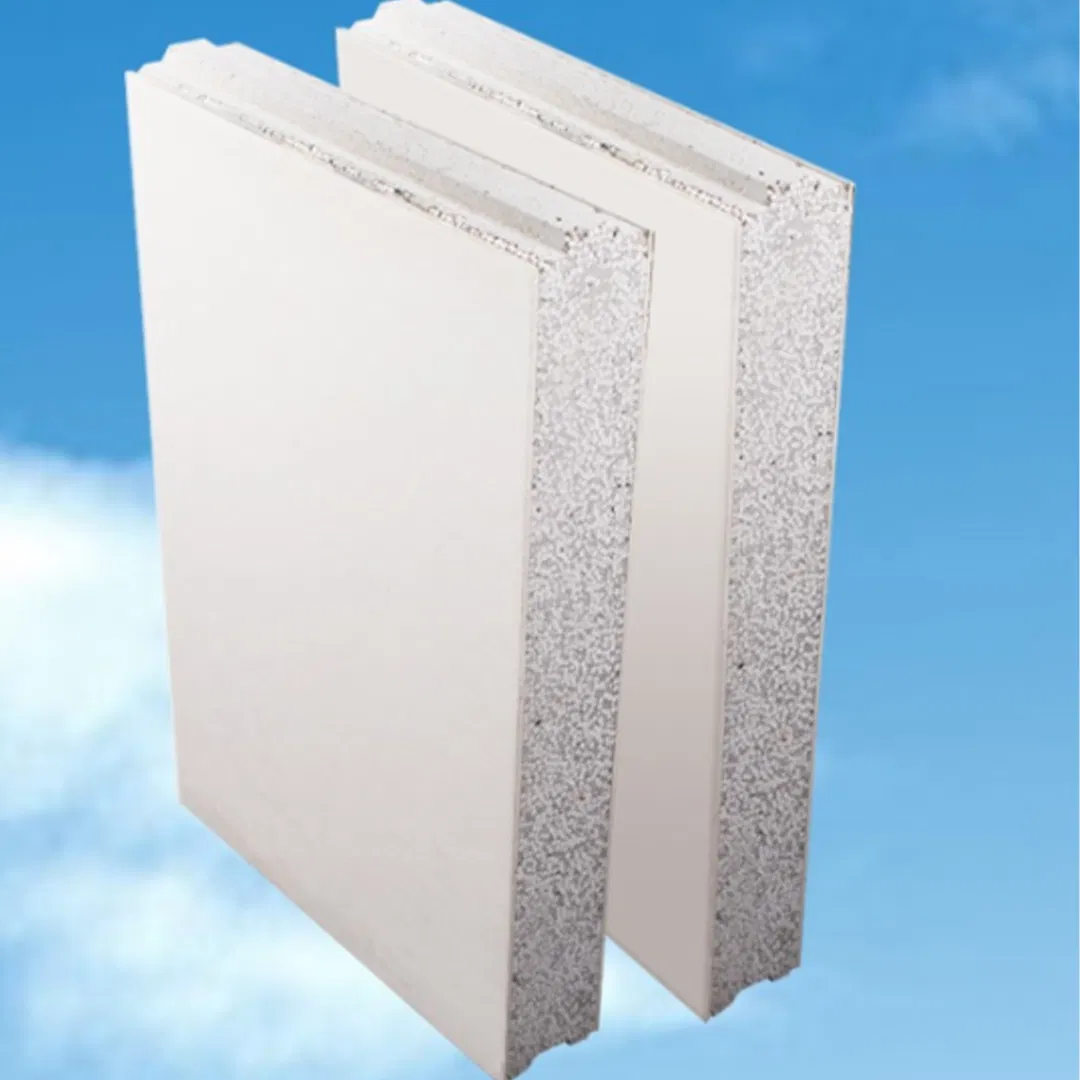
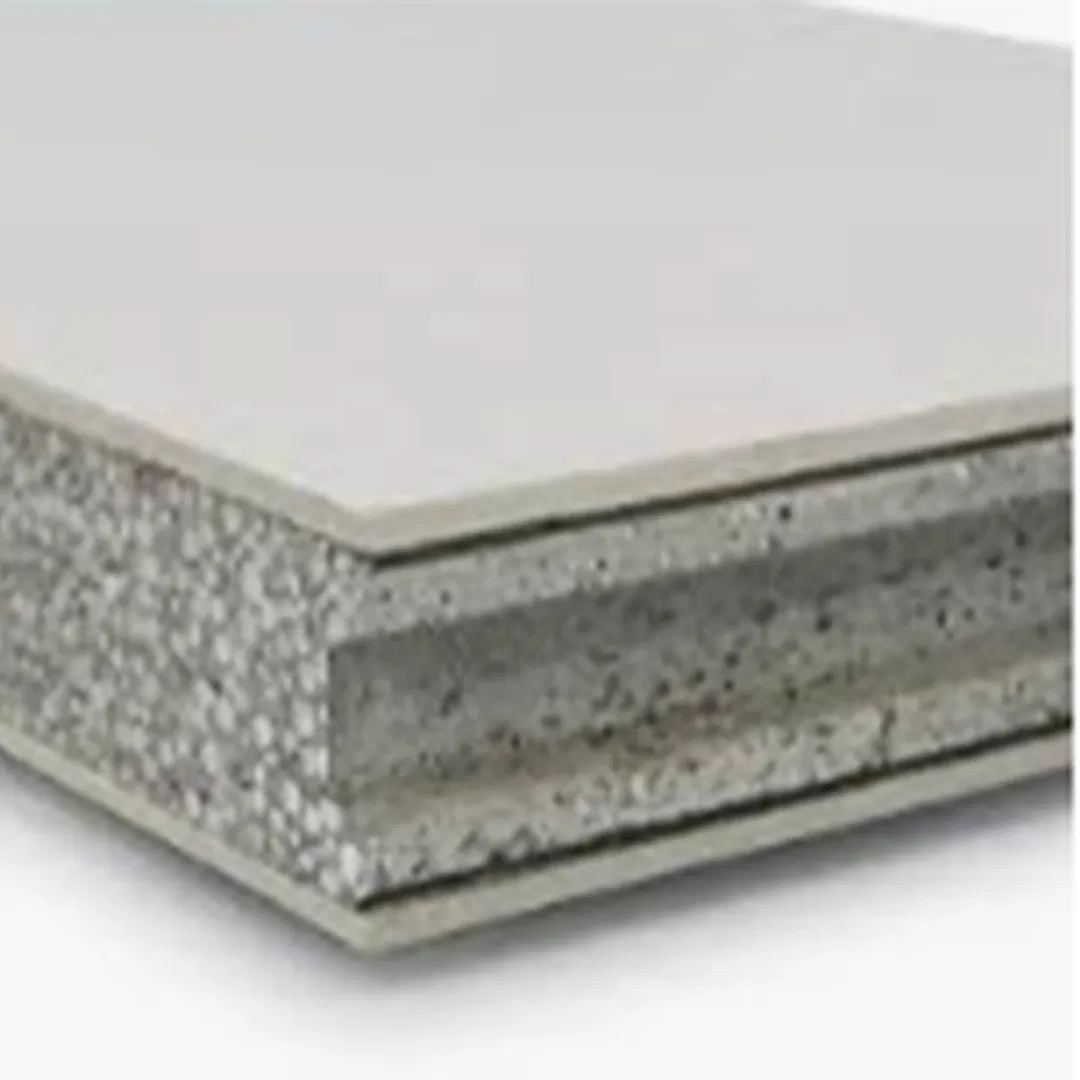
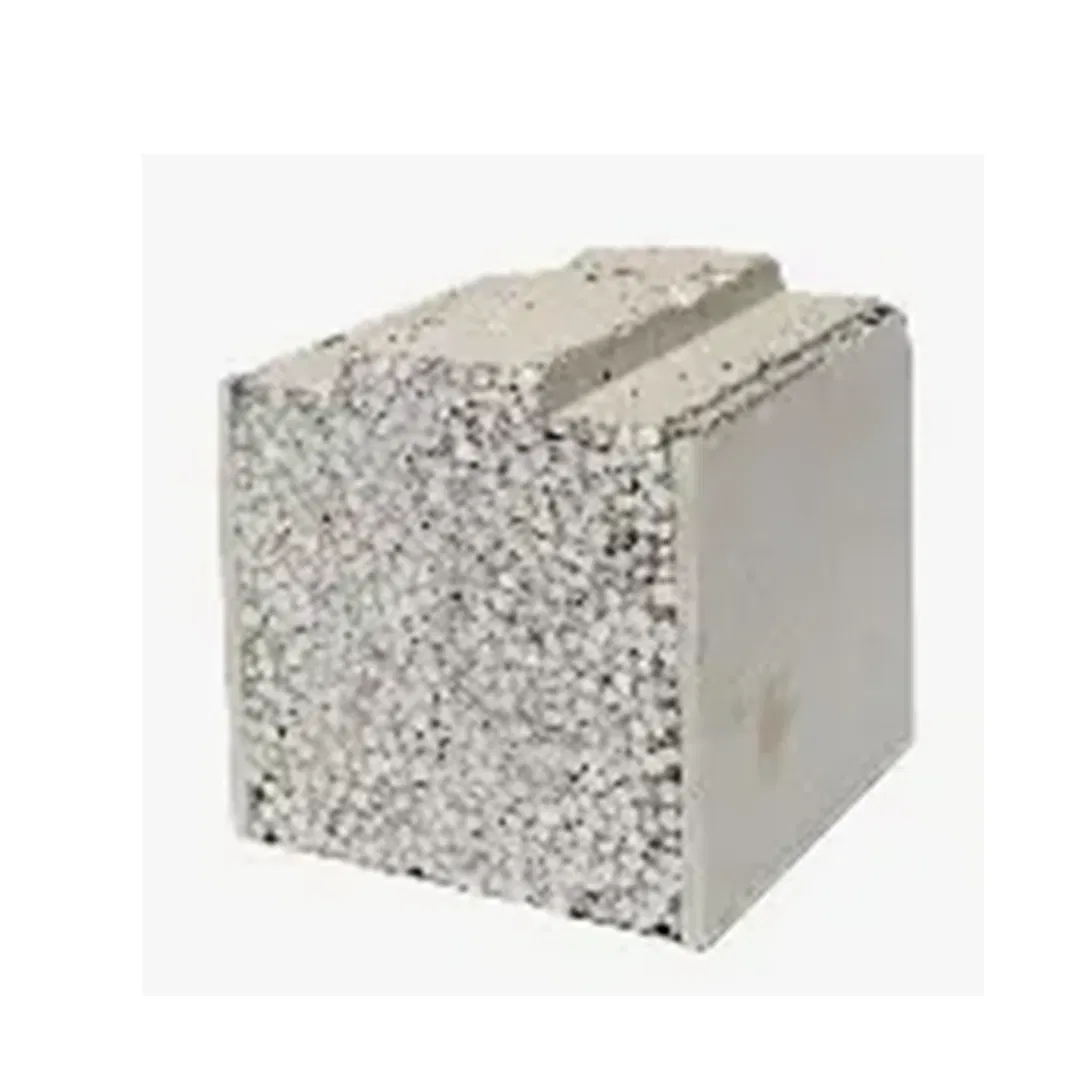
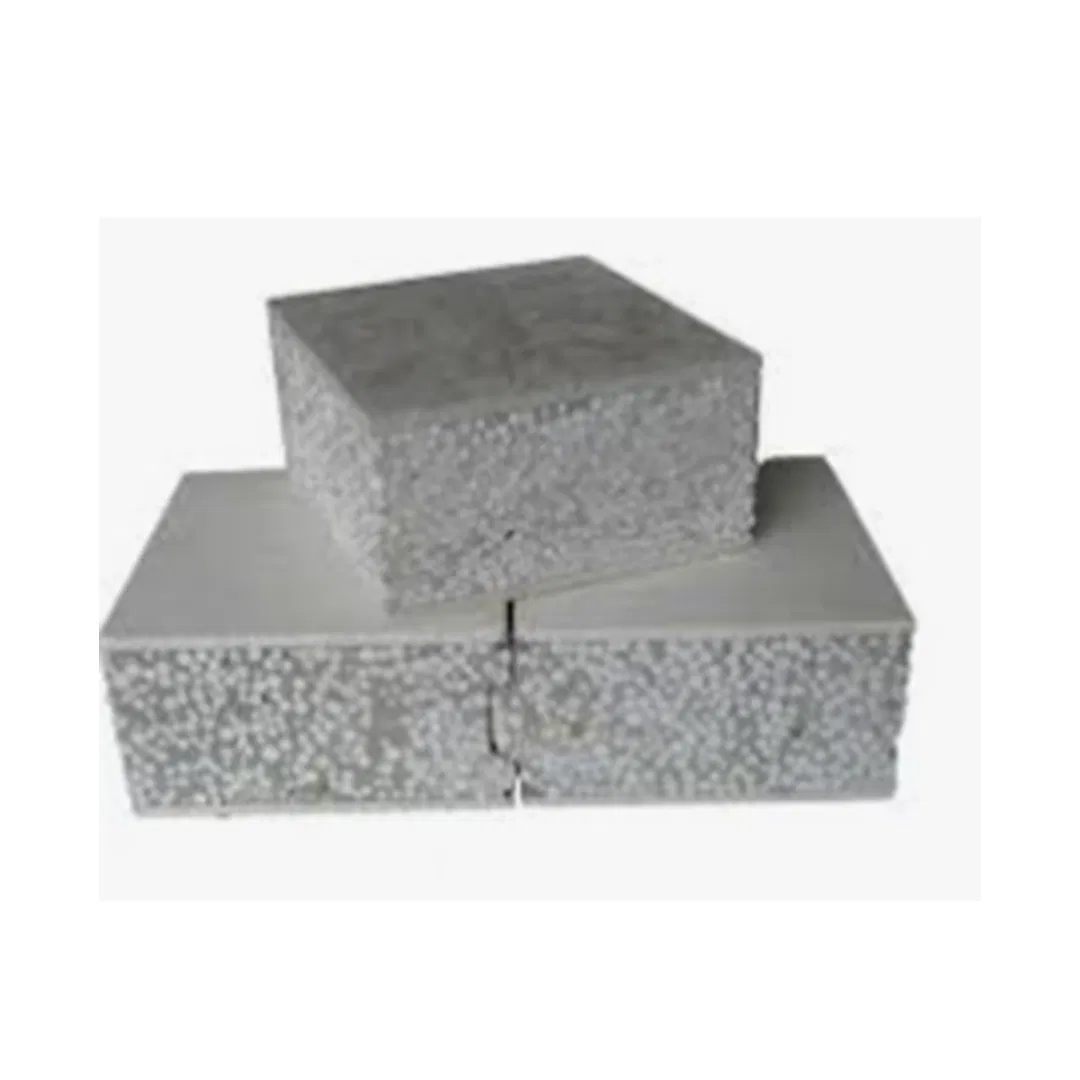
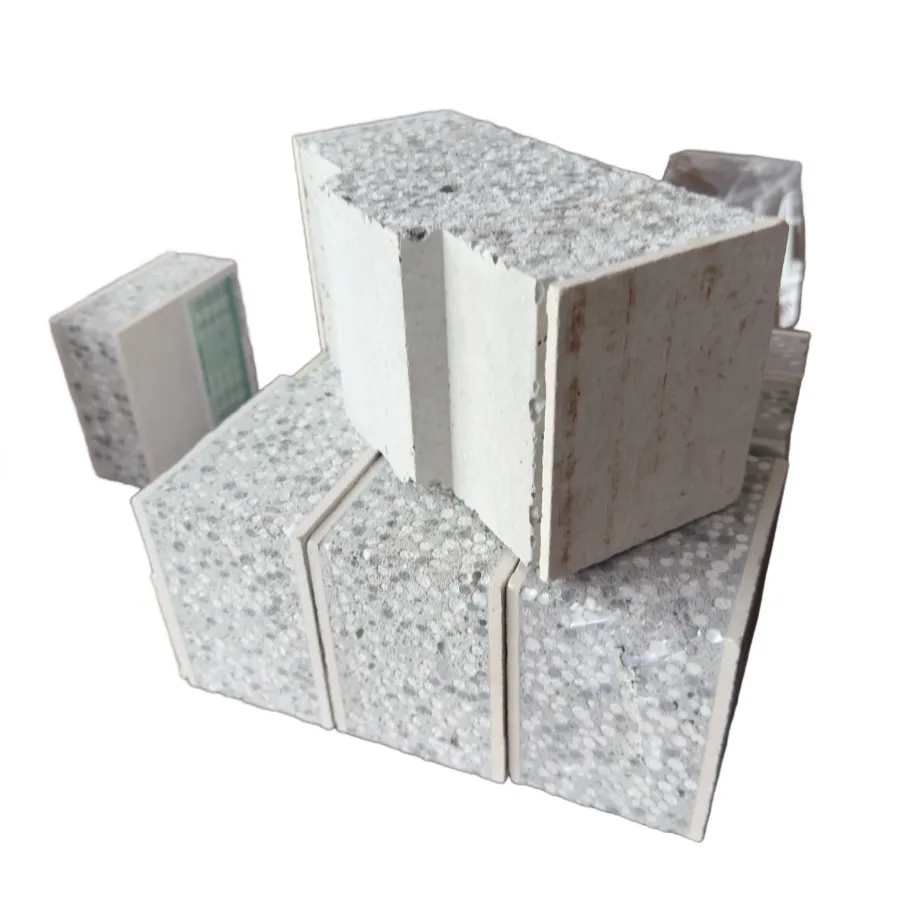
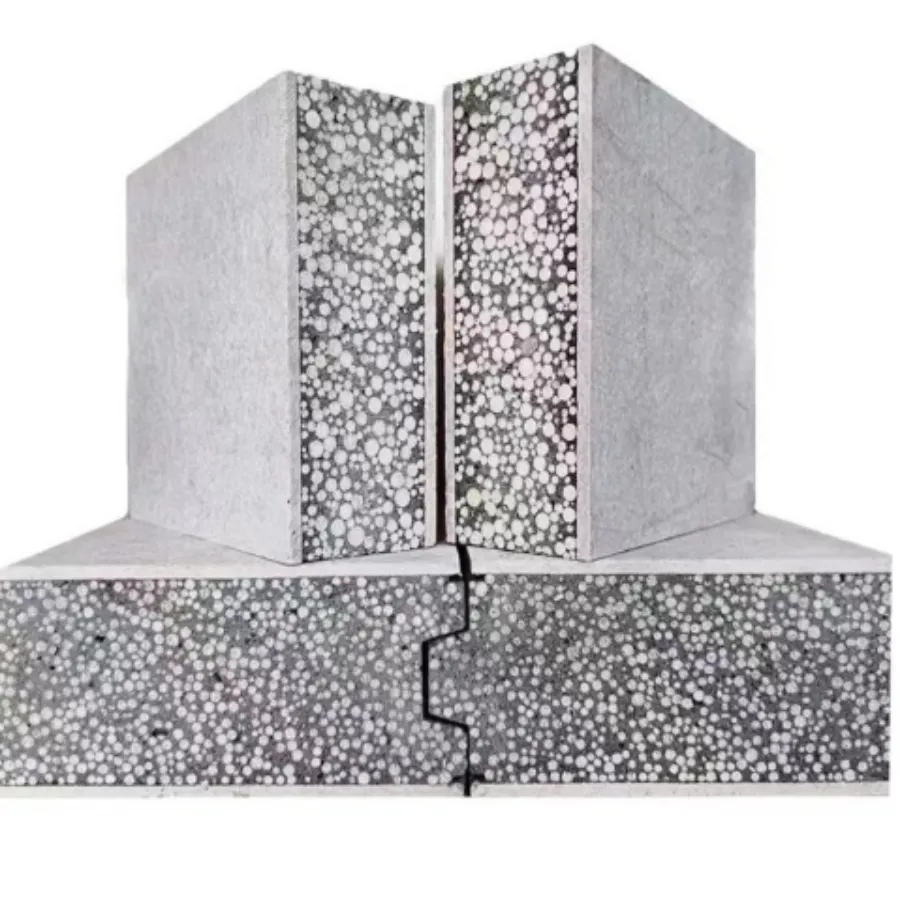
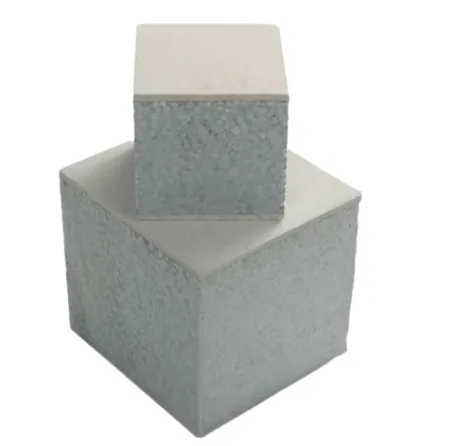
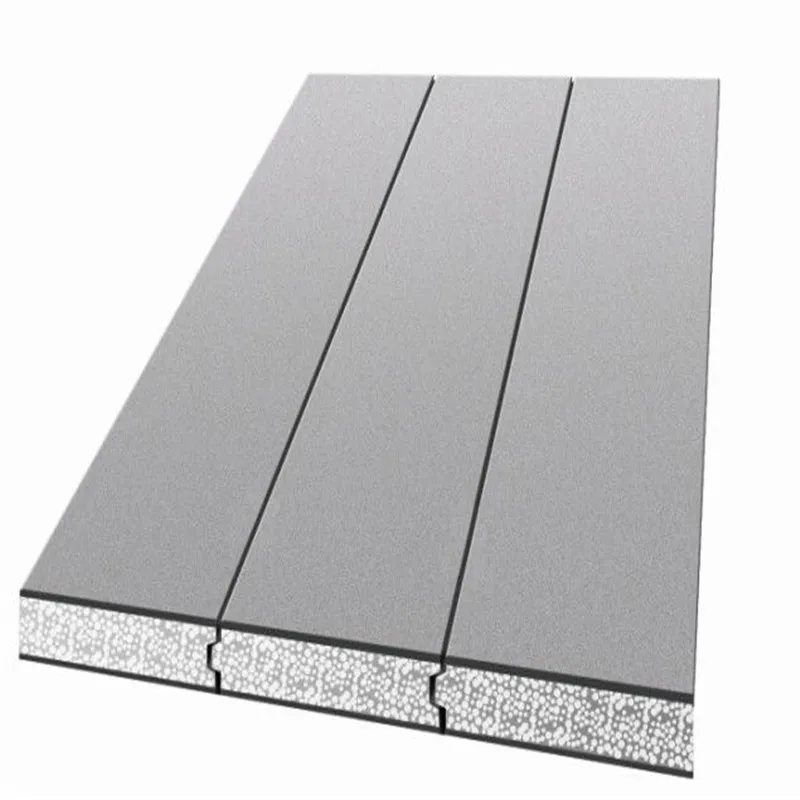
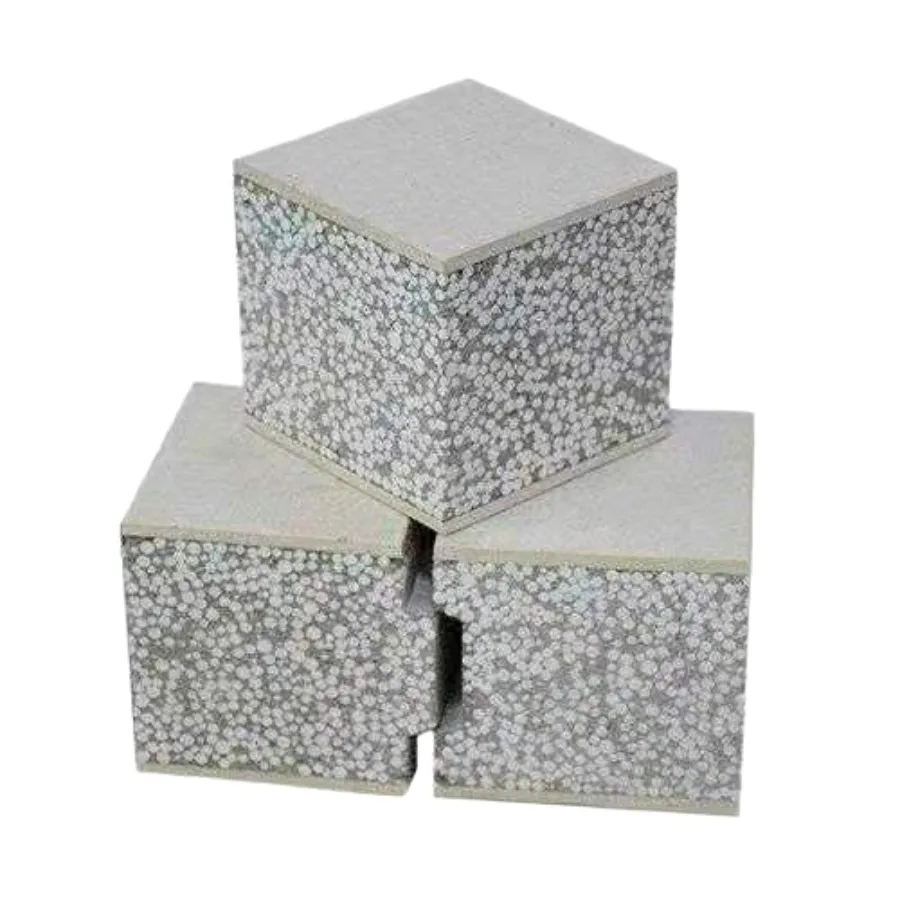
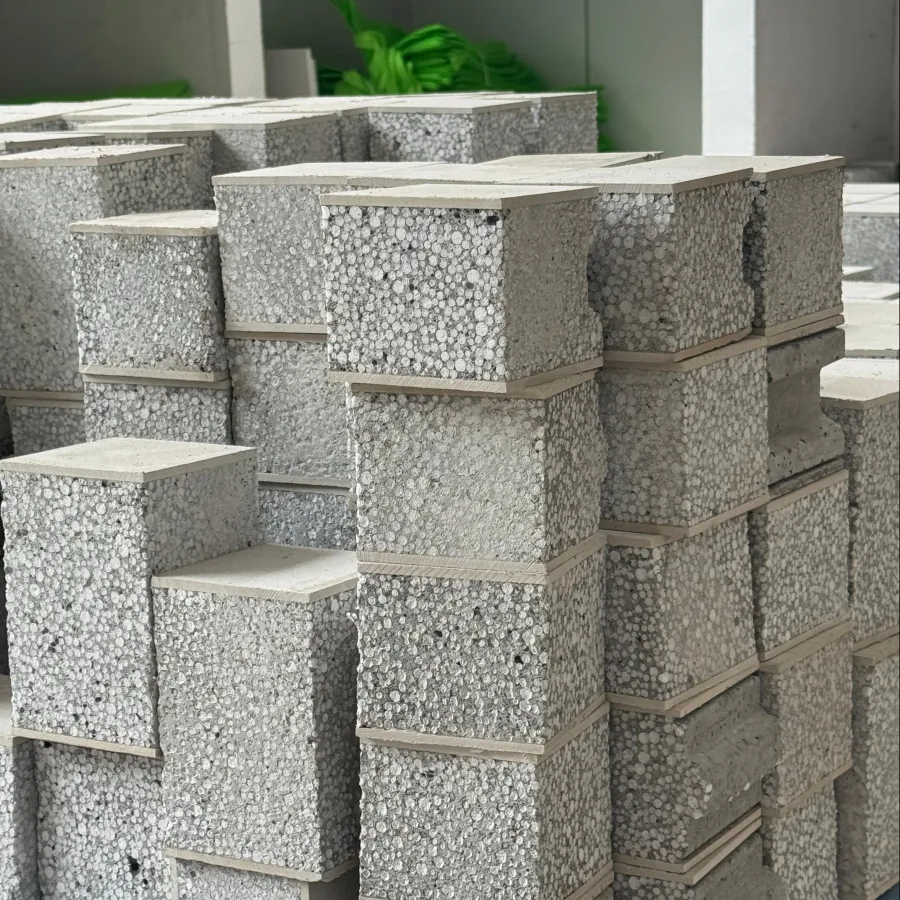
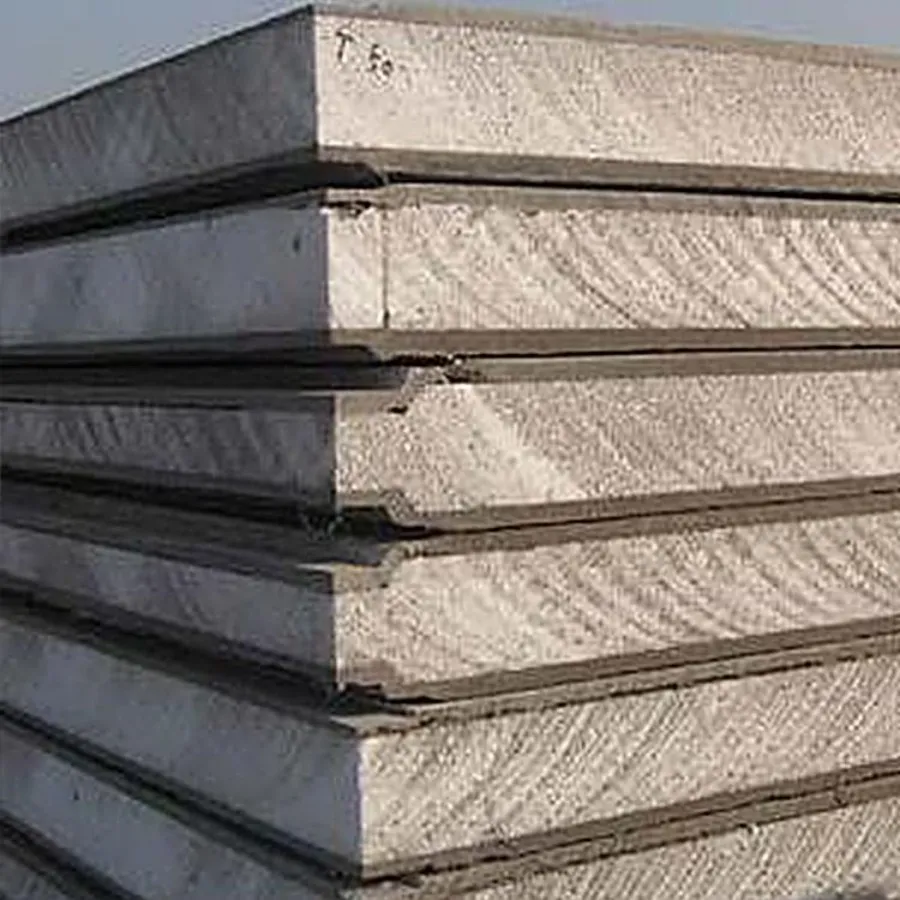
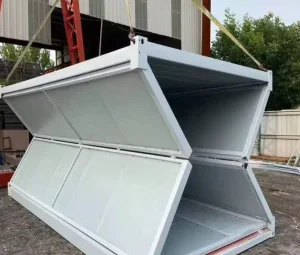
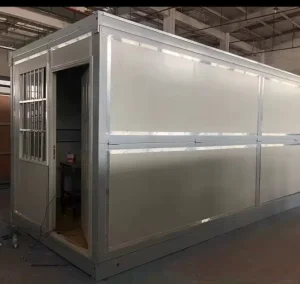
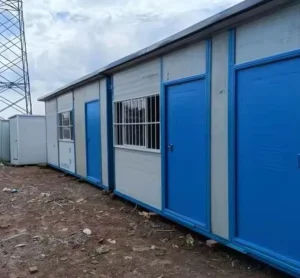
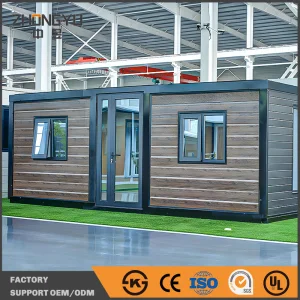
Introducing the EPS Cement Sandwich Panel—a cutting-edge, high-performance building material. Known as EPS Core Sandwich Panel or Lightweight Insulated Wall Panel, this product is composed of:
• Outer Layers: Robust fiber-reinforced cement boards or silicon calcium boards for structural strength.
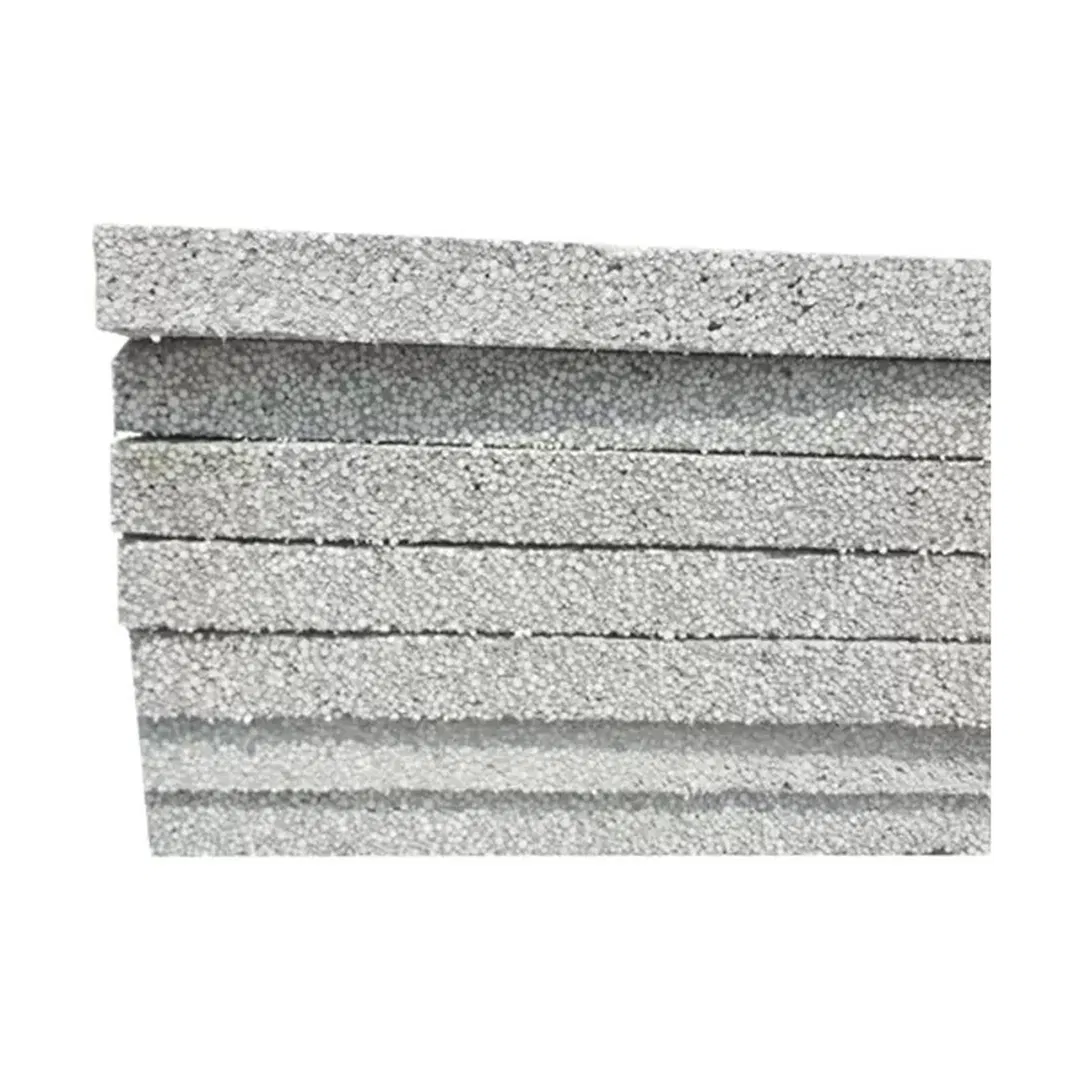
• Core Material: Premium Expanded Polystyrene (EPS) foam for superior thermal insulation.
• Adhesive Layer: Specialized polymer-modified cement mortar for a durable bond.
🛠️ Installation Guidelines
1. Foundation Preparation: Ensure a stable and level base.
2. Panel Alignment: Use laser levels for precision.
3. Mechanical Fixing: Secure with screws every 400mm.
4. Joint Treatment: Seal with elastic mortar for integrity.
5. Surface Finishing: Paint, tile, or cladding as preferred.
❓ Frequently Asked Questions
1. What is an EPS cement sandwich panel?
It is a composite panel consisting of two layers of fiber cement or calcium silicate boards with an expanded polystyrene (EPS) foam core. It is lightweight, fire-resistant, and provides excellent insulation.
2. What are the main advantages of these panels?
Key benefits include high strength-to-weight ratio (1/10 the weight of bricks), Class A fire rating, fast modular installation, and superior acoustic and thermal insulation.
3. Is the panel moisture-proof?
Yes. The cement surface provides good waterproofing, and the closed-cell structure of the EPS core ensures very low water absorption.
4. Can it be used in seismic or earthquake zones?
Yes, the flexible EPS core helps absorb vibrations, making it an excellent choice for earthquake-prone areas compared to rigid traditional masonry.
5. What is the expected service life?
With proper installation and maintenance, EPS cement sandwich panels can last over 50 years under normal environmental conditions.
6. Are the panels eco-friendly?
Yes, they are crafted from recyclable materials, release no toxic substances during manufacturing, and have a much lower carbon footprint than traditional building materials.
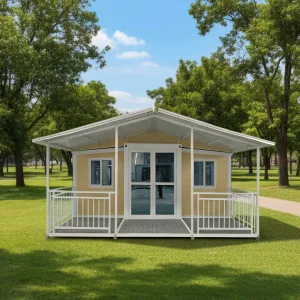
 Shupshy Container