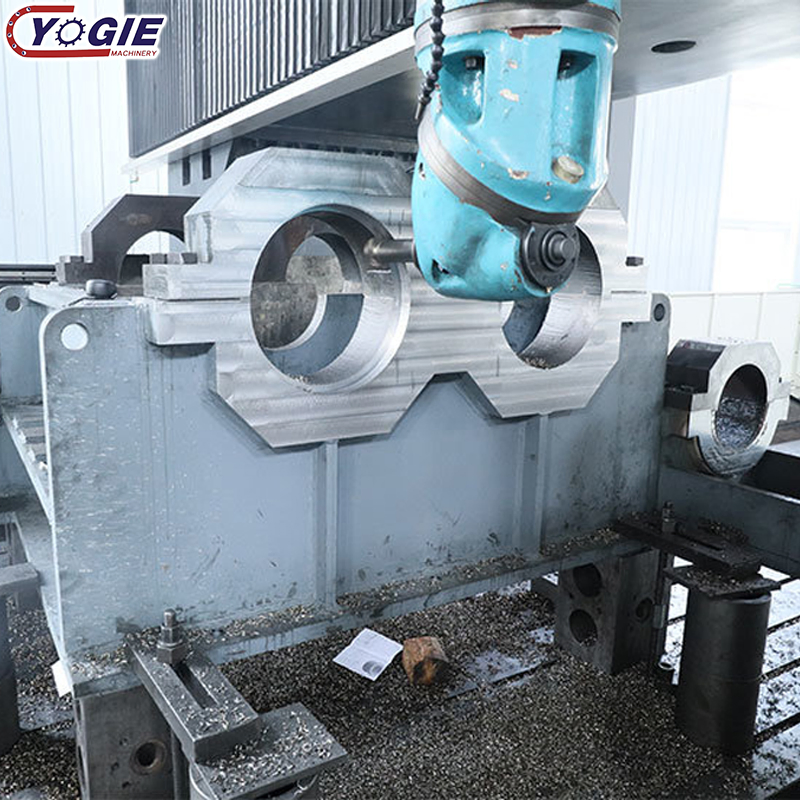
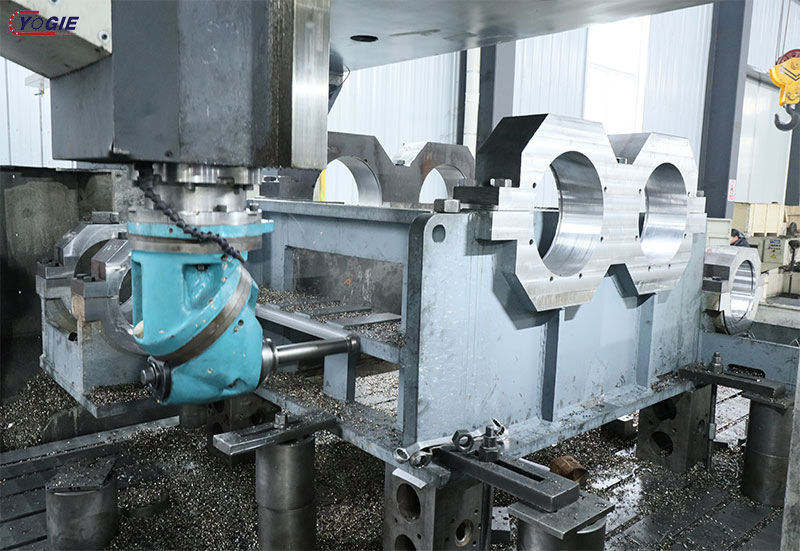
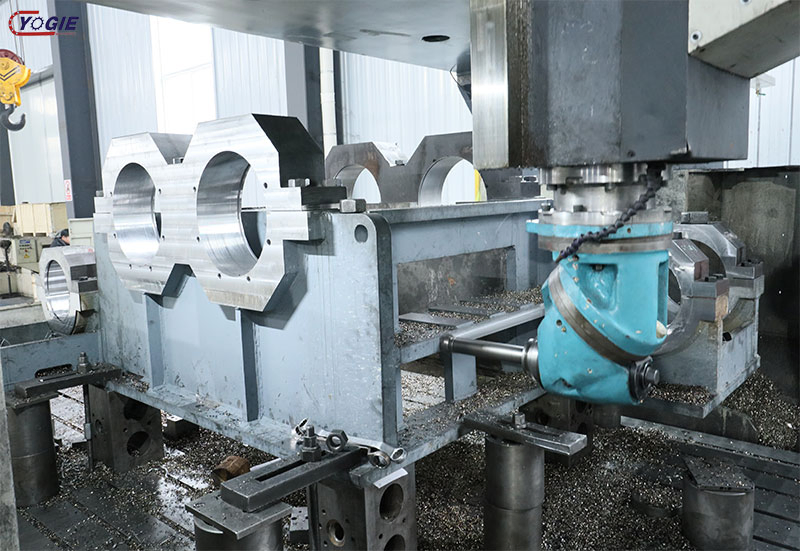
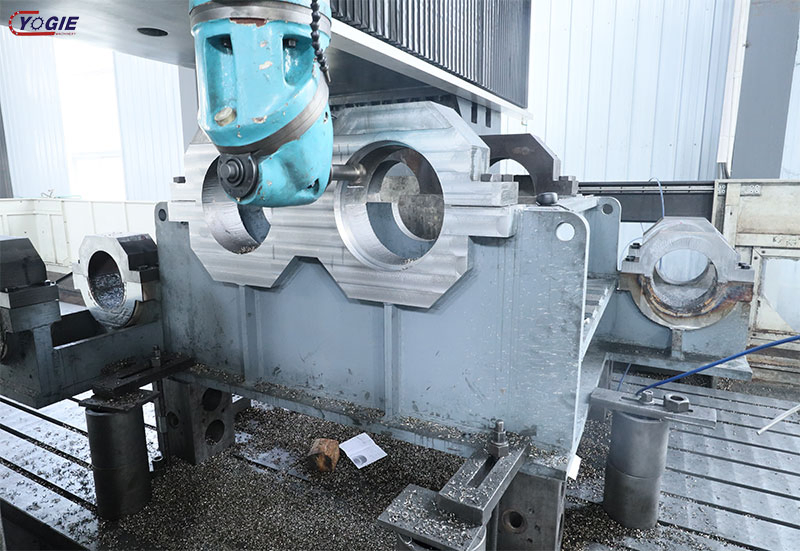
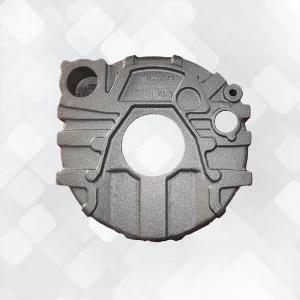
Robust Construction Various Sizes Protection Industrial Machinery Gear Boxing Housing

Customization: Available
Condition: New
Customized: Customized

Product Description

Basic Specifications

Model NO. custom
Material Steel
Transport Package Custom
Specification custom

Product Overview

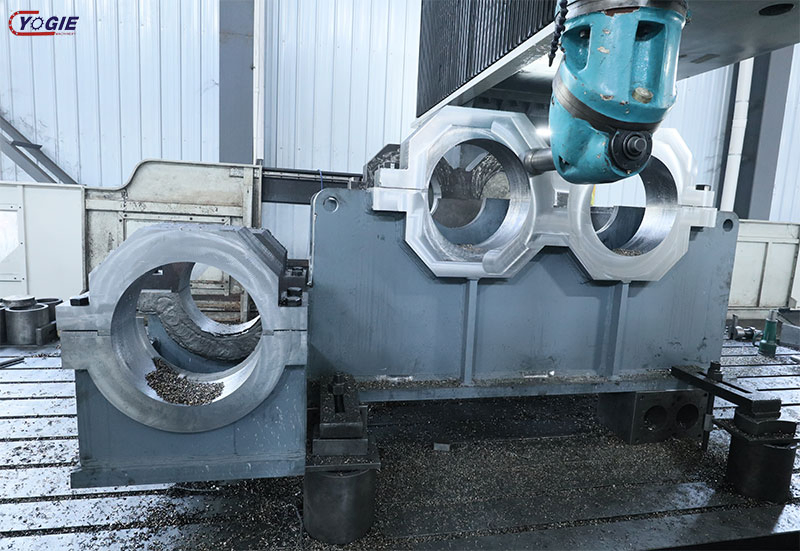
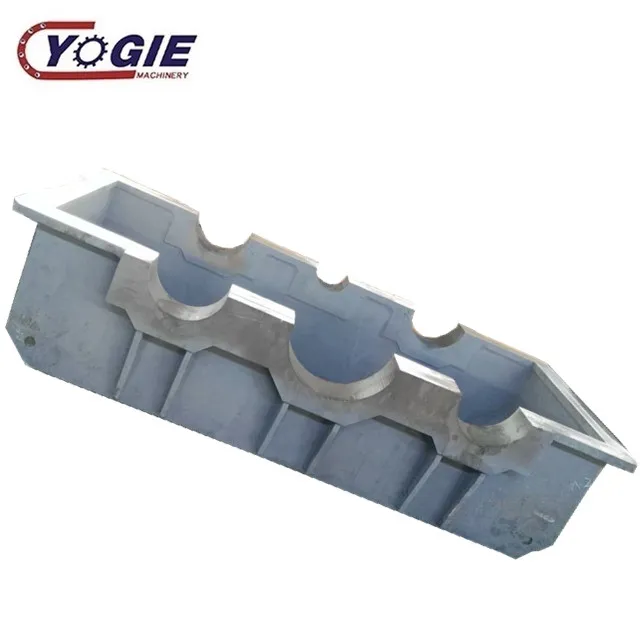
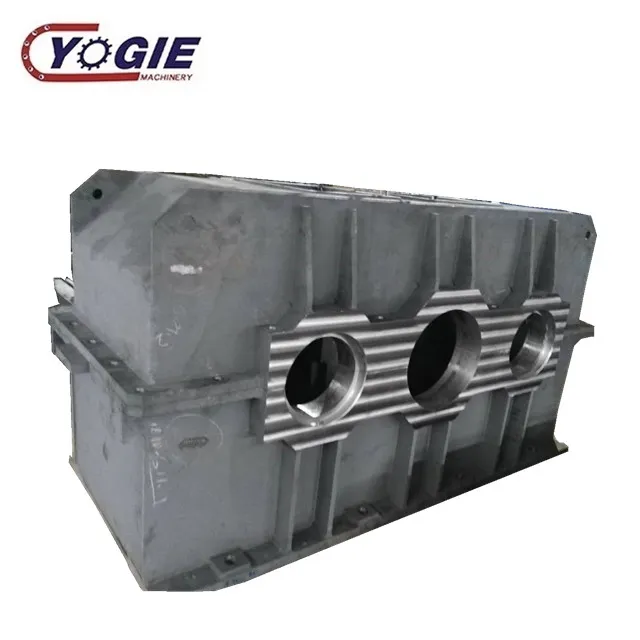
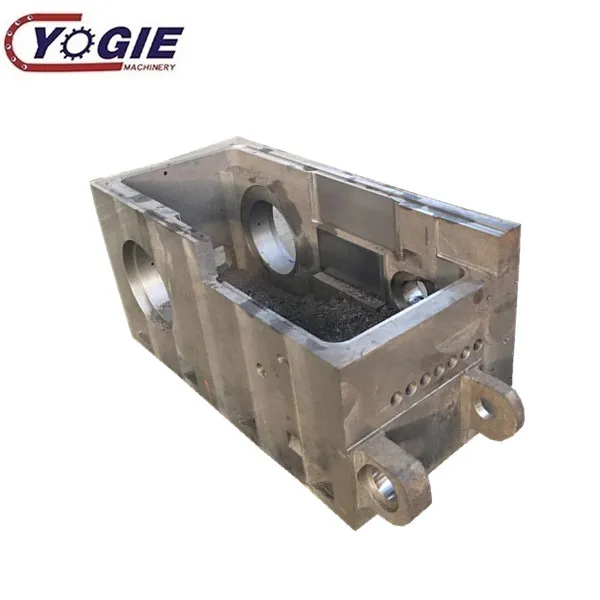
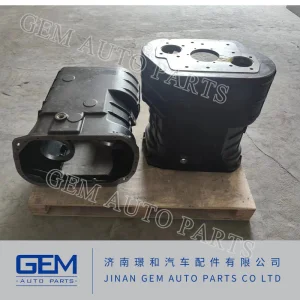
A gearbox housing, also known as a transmission case or gearbox casing, is a protective enclosure that houses the various components of a gearbox or transmission system. The gearbox is a crucial component in a variety of machines and vehicles, and its housing serves several important functions.
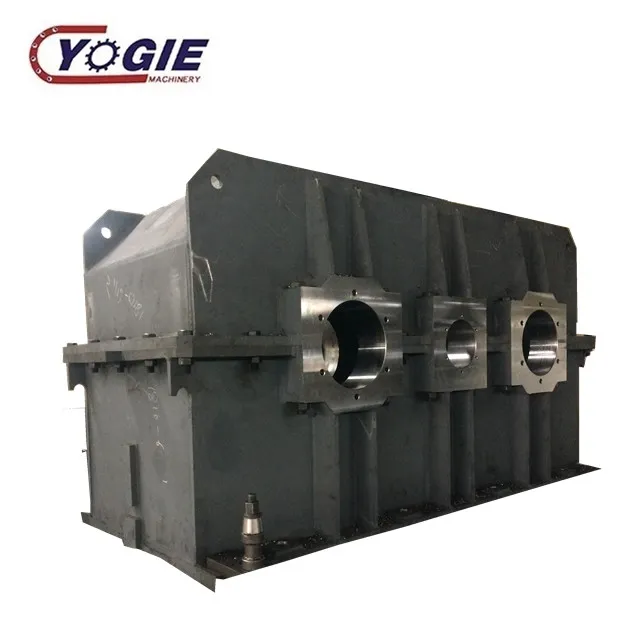
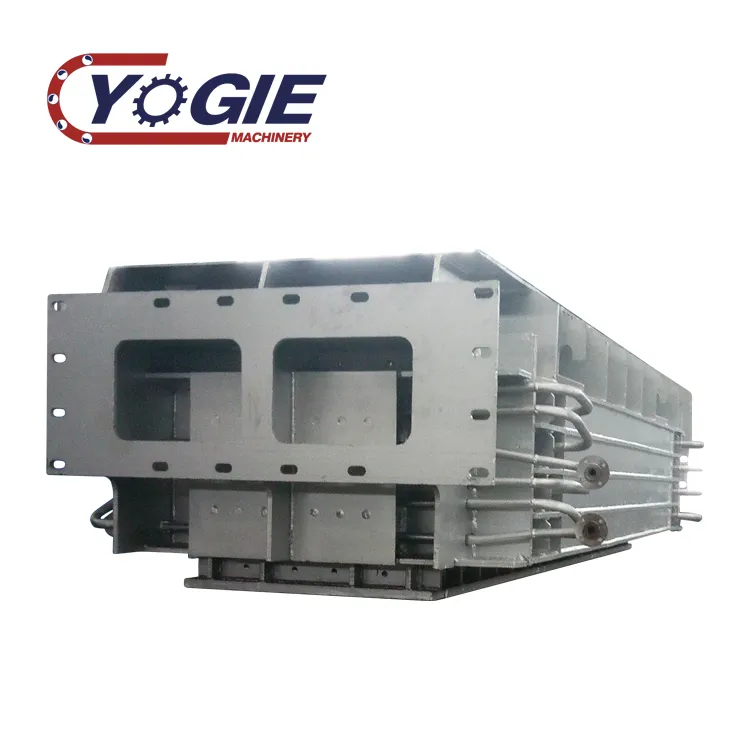
Industrial Gearbox Housing 1
Industrial Gearbox Housing 2
Industrial Gearbox Housing 3
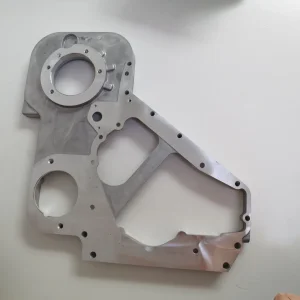
Gearbox Component 1
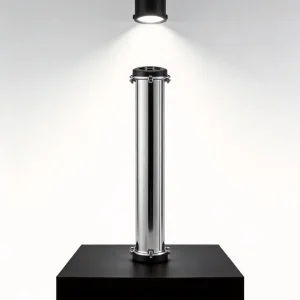
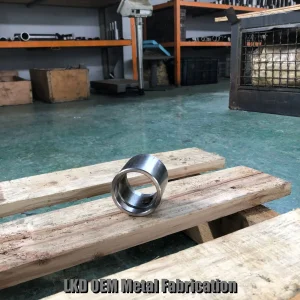
Gearbox Component 2

Key Features

⚙️ Material

Gearbox housings are typically made of durable materials such as cast iron or aluminum alloys to withstand the stresses and loads associated with the transmission of power.

📐 Design

The design is critical for efficient heat dissipation, structural integrity, and proper alignment of internal components. It may include ribs and flanges to enhance strength.

🛡️ Seals and Gaskets

Incorporates seals and gaskets to prevent lubricant leakage and contaminants from entering, maintaining a sealed environment for internal components.

Core Functions

Protection

Protects internal components from environmental factors like dirt, debris, and water, ensuring longevity and proper functioning.

Lubrication Containment

Contains the lubricating oil or grease required for smooth operation of gears and bearings, preventing leaks.

Heat Dissipation

Designed to dissipate heat generated during operation due to friction, preventing overheating and ensuring optimal performance.

Alignment

Maintains proper alignment of gears and shafts, which is essential for the efficient transfer of power and torque.
Industry Applications

Automotive Industry: Used in manual, automatic, and CVT transmissions for power transmission.
Industrial Machinery: Essential for conveyor systems, packaging machinery, and printing presses.
Marine Propulsion: Transmits power from engines to propellers in marine vessels.
Wind Turbines: Converts slow blade rotation to high-speed rotation for generators.
Agricultural Machinery: Used in tractors for driving wheels and managing hydraulic systems.
Construction Equipment: Employed in excavators, loaders, and bulldozers for movement.
Mining Equipment: Used for material conveying, rock crushing, and heavy load movement.
Railway Systems: Controls speed and torque for traction and braking in locomotives.
Power Plants: Connects turbines or engines to generators with adjusted torque.
Aviation Industry: Applied in propeller control systems to optimize flight efficiency.

Frequently Asked Questions

Q1: What materials are commonly used for gearbox housings? A: Most housings are made from durable cast iron or lightweight aluminum alloys to handle high mechanical stress and provide structural support.
Q2: Why is the design of the gearbox housing important for heat? A: Friction from moving gears generates heat; a well-designed housing uses features like cooling ribs to dissipate this heat and prevent internal component damage.
Q3: How does the housing protect the transmission system? A: It acts as a sealed barrier against external contaminants like water, dust, and debris that could cause premature wear or failure.
Q4: Can gearbox housings be used in marine environments? A: Yes, they are critical in marine propulsion systems for transmitting power from the engine to the propeller while resisting harsh environmental conditions.
Q5: What is the role of the housing in wind turbine operation? A: In wind turbines, the gearbox housing supports the conversion of slow rotational energy from the blades into high-speed energy required for the electrical generator.
Q6: How do seals and gaskets contribute to the housing's function? A: They ensure that lubricants remain inside the system to reduce friction while keeping external moisture and dirt out.

Related Products