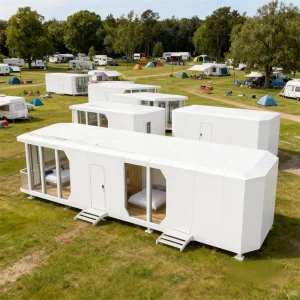
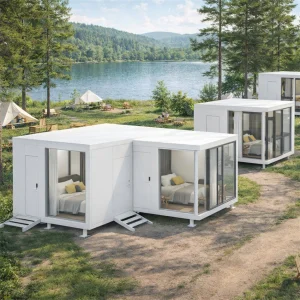
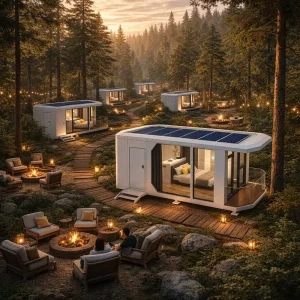
The global construction industry is undergoing a paradigm shift. As traditional on-site construction faces challenges like labor shortages, rising material costs, and environmental concerns, Modular Support Facilities have emerged as the dominant alternative. Today, the "Offsite Construction" sector is not just about temporary shelters; it represents high-tech, precision-engineered volumetric units that serve as the backbone for industrial, commercial, and residential infrastructure.
From the remote mining regions of Western Australia to the bustling urban centers of Europe, modular support facilities provide essential infrastructure—from workforce housing and mobile clinics to high-end modular hospitality units. As a Top 10 Modular Support Facilities Manufacturer & Exporter, we have observed a 35% increase in global demand for integrated modular housing systems over the last five years, driven by the need for rapid deployment and predictable project timelines.
The market for modular buildings is projected to reach USD 120 billion by 2027. This growth is fueled by massive infrastructure projects in the Middle East (NEOM, Saudi Vision 2030) and the urgent need for affordable housing in North America.
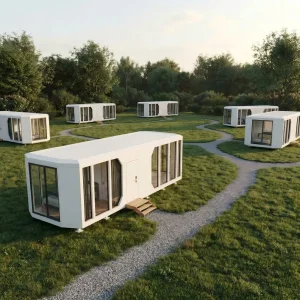
Metropolises are increasingly utilizing ADUs (Accessory Dwelling Units) and modular apartment blocks to combat housing shortages without the noise and pollution of long-term traditional construction sites.
Modular construction produces up to 90% less waste than traditional methods. Most support facilities are designed with recyclable materials like high-grade steel and eco-friendly insulation, meeting strict ESG requirements.
The evolution of modular facilities is no longer limited to simple containers. We are seeing a merger of AI Technology, IoT, and Advanced Materials Science. Modern facilities are "Smart Modules" equipped with integrated HVAC systems, automated lighting, and remote monitoring capabilities.
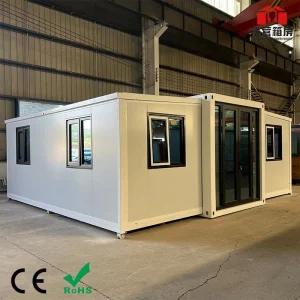
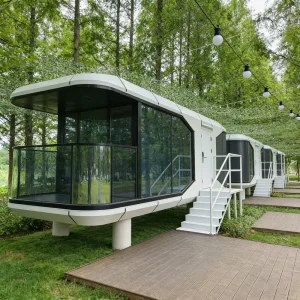
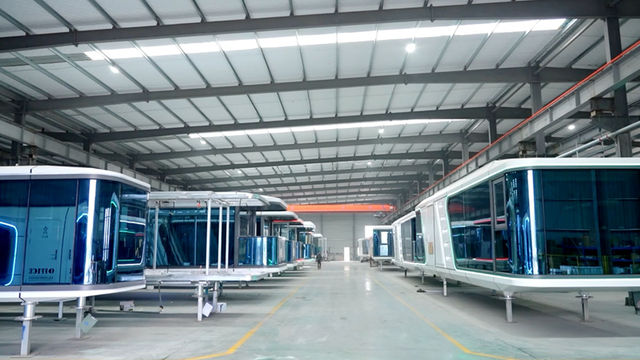
Today’s modular support facilities often come "Plug-and-Play." This means all electrical, plumbing, and communication infrastructure is pre-installed in the factory. In high-end hospitality sectors, capsule houses now feature voice-controlled automation and smart glass technology for privacy and energy efficiency.
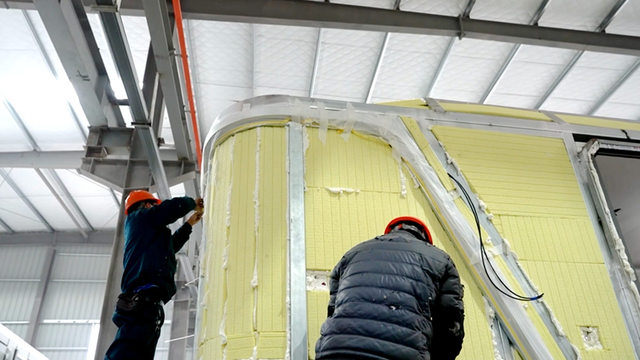
VMC allows for entire rooms—fully finished with flooring, cabinetry, and fixtures—to be stacked like LEGO blocks. This is the preferred method for modular hotels and student accommodations, reducing on-site work by over 70%.
Ningbo Shupshy Container Co., Ltd. is a forward-looking manufacturer specializing in advanced modular construction, positioned as a Modular Integrated Housing Manufacturer | Offsite Construction & Turnkey Building Solutions provider. The company focuses on delivering efficient, scalable, and fully integrated housing systems for residential, commercial, and industrial applications worldwide.
Founded in 2013 in Ningbo, China, Shupshy Container initially focused on the production of container-based structures for logistics and temporary facilities. Recognizing the rapid global shift toward offsite construction and modular integration, the company expanded its expertise into fully prefabricated housing systems. By 2017, it had developed a comprehensive portfolio of volumetric modular units, integrated container housing, and turnkey building solutions.
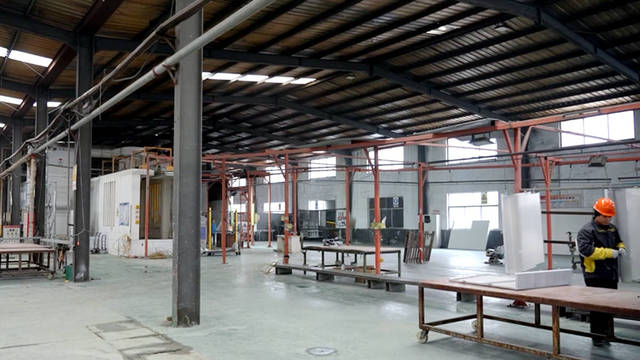
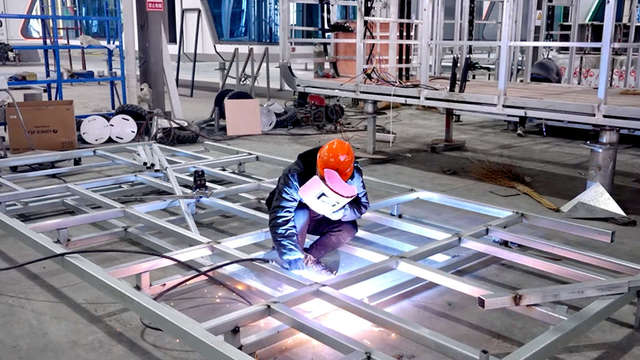
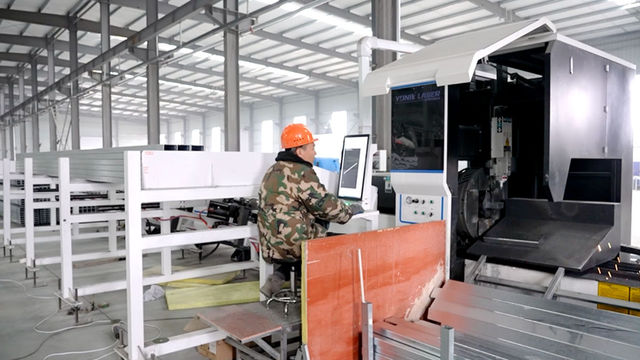
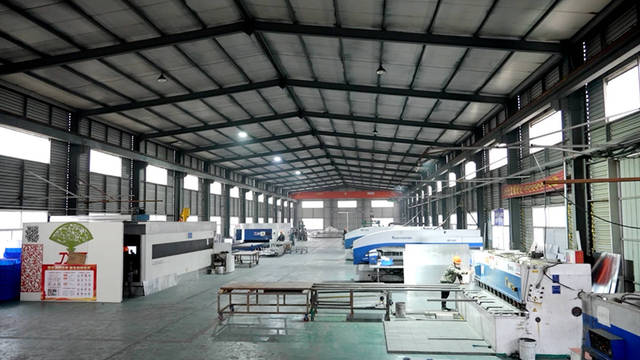
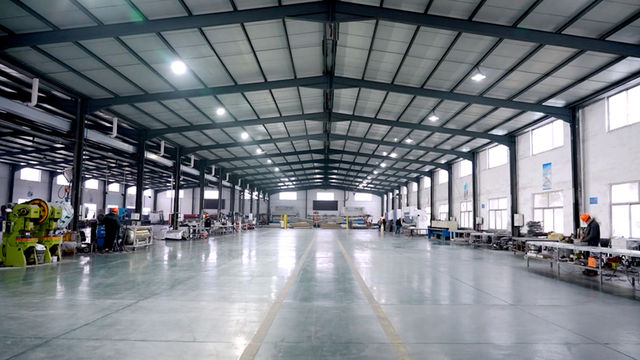
With strong investment in automation and precision manufacturing, Shupshy operates modern production lines featuring CNC cutting, robotic welding, and standardized module assembly.
Today, Ningbo Shupshy Container Co., Ltd. serves clients across Asia, Europe, the Middle East, and Africa, providing future-ready building solutions tailored to global project needs.
Our solutions are designed for quick installation, high durability, and flexible customization, enabling clients to efficiently deploy housing for urban development and infrastructure.
Procurement officers and project managers today are looking for more than just a "product." They seek a reliable partner who understands the logistical and regulatory complexities of different regions. Modular support facilities must be adaptable to local climates and building codes.
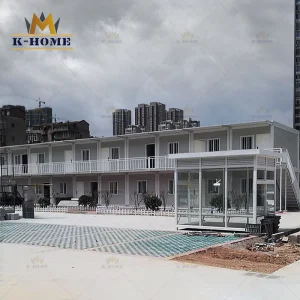
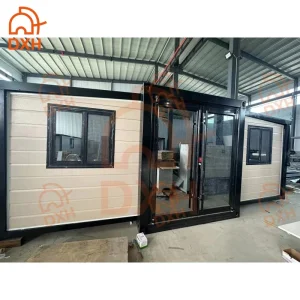
In the oil, gas, and mining industries, the priority is "Time to Revenue." Every day spent building traditional barracks is a day of lost production. Our Mobile Modular Temporary Site Containers are designed for extreme temperatures—from the freezing winds of Siberia to the scorching heat of the Saharan desert—providing workforce accommodation that ensures employee well-being and productivity.
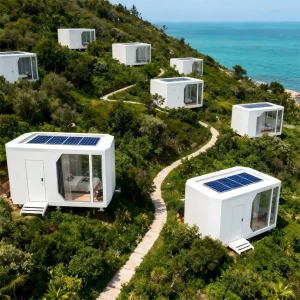
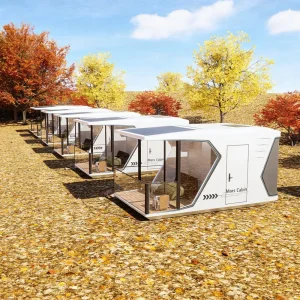
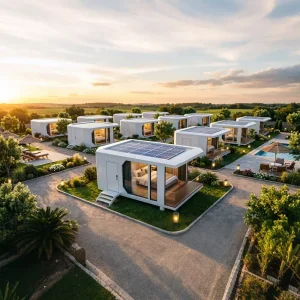
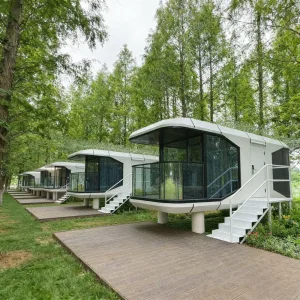
The tourism sector is seeing a surge in "Glamping" and eco-resorts. Our Space Capsule Houses and Modular Hotel Cabins offer a unique hospitality experience. These units can be installed in forest, coastal, or mountainous regions with minimal impact on the local ecosystem, allowing resort operators to expand capacity within weeks instead of years.
Governments are increasingly procuring modular units for rapid healthcare deployment (mobile clinics) and disaster relief housing. The ability to ship thousands of units via standard container logistics makes modular facilities the most viable solution for international aid and emergency response.
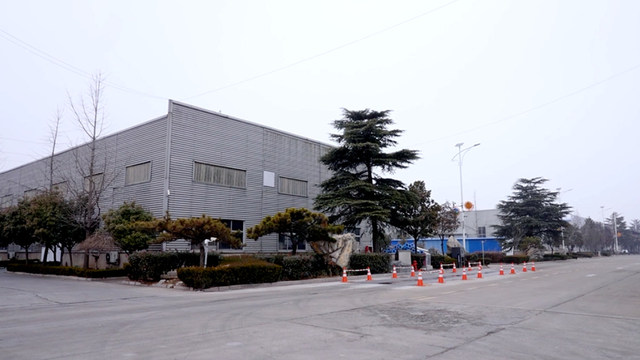
China has become the global epicenter of the modular construction supply chain. As a leading manufacturer in Ningbo, one of the world's busiest port cities, Shupshy Container offers distinct advantages:
Leveraging massive economies of scale and an integrated local supply chain for steel, insulation, and electronics allows us to offer premium modular units at 30-50% less cost than European or American counterparts.
Our facilities utilize robotic welding and AI-driven quality control. We don't just build; we engineer solutions that meet CE, ISO, and various international structural standards.
Located in Ningbo, we have direct access to global shipping lanes. This ensures reduced transit times and lower shipping costs for our international project buyers.
Our commitment to innovation and sustainability means that every module leaving our factory is built to last, easy to transport, and ready for immediate deployment, regardless of the complexity of the terrain or project scope.
 Shupshy Container