How Long Does Modular Housing Last for Sustainable Living?

Time:2026-07-21 Author:Isabella
0%

Modular housing has gained popularity as a sustainable living option. But, many wonder, how long does modular housing last? This question is crucial for potential homeowners aiming for longevity and durability.

Generally, modular homes are built to meet strict codes and standards. Quality materials and modern construction methods enhance their lifespan. Yet, factors such as maintenance, climate, and location play significant roles in longevity. Some modular homes may last 30 years, while others endure for over half a century.

It’s essential to consider how modular homes fit into a sustainable lifestyle. They can reduce waste during construction and feature energy-efficient designs. However, the initial investment and durability often raise doubts. Reflecting on these aspects can help future homeowners make informed decisions about their housing choices.
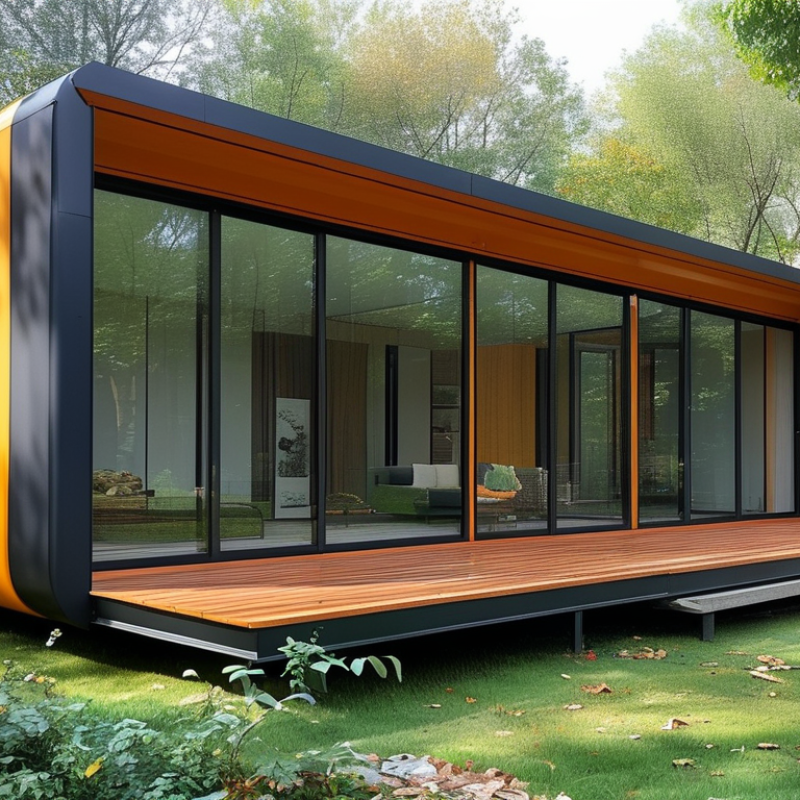
How Long Does Modular Housing Last for Sustainable Living?

Factors Influencing the Longevity of Modular Housing

When considering modular housing for sustainable living, several factors influence its longevity. The quality of materials plays a significant role. Modular homes are often constructed using advanced materials designed for durability. Homes built with high-grade insulation and weather-resistant exteriors typically last longer. However, not all modular homes are created equal. Some may use cheaper materials that deteriorate quickly. Researching the manufacturer's reputation can help in making informed choices.

The local climate is another critical factor. Homes in areas with extreme weather conditions face more wear and tear. High humidity, for instance, can lead to mold growth, while heavy snowfall can strain roofs. It’s essential to consider these environmental impacts on longevity. Appropriate maintenance can also extend a modular home’s life. Regular checks for leaks, structural issues, and pest infestations can prevent small problems from escalating.

Finally, the initial design impacts longevity too. A well-designed modular home that emphasizes energy efficiency often lasts longer. However, some may overlook essential features, focusing solely on aesthetics. This could lead to costly repairs down the line. Homeowners should balance beauty with practicality to achieve lasting satisfaction.

Sustainable Materials Used in Modular Housing Construction

Modular housing is gaining traction as a sustainable living option. A key factor contributing to its eco-friendliness is the use of sustainable materials. These materials minimize environmental impact while ensuring durability. Reports indicate that modular homes can use up to 70% recycled materials in their construction. This not only reduces waste but also makes each unit more energy-efficient.

Wood, steel, and concrete are commonly used in modular homes. Certified timber from managed forests ensures low carbon footprints. Steel, often recycled, offers longevity and strength. Breathable wall systems enhance indoor air quality by using low-VOC materials. Such choices reflect a commitment to sustainability and health.

Tips: Consider building with locally sourced materials to further cut down emissions. Regularly assess the materials used in your home for their environmental impact. While modular homes boast impressive stats, some designs may lack the aesthetic appeal of traditional homes. It's crucial to find a balance between sustainability and personal taste.

Maintenance Practices Essential for Extending Modular Home Lifespan

Maintaining modular homes is crucial for longevity and sustainability. Regular inspections can reveal small issues before they escalate. Pay attention to the roof, windows, and foundation. Leaks can develop and lead to significant damage. Keep gutters clean to prevent water from pooling.


Cleaning and sealing exterior surfaces is essential. This protects against weather damage and pests. Use environmentally friendly products to reduce harm to your surroundings. Regularly check for pests, as they can compromise structural integrity. Invest time in these maintenance tasks for the best results.


Time spent on maintenance pays off. A neglected modular home can suffer from wear and tear, leading to costly repairs. It’s easy to overlook small tasks amid busy schedules. However, staying proactive ensures a comfortable and sustainable living space for years to come.

Comparative Lifespan of Modular Homes vs. Traditional Houses

When comparing the lifespan of modular homes and traditional houses, it's essential to consider various factors. Modular homes, built in controlled environments, often benefit from enhanced durability. They can last between 30 to 70 years if properly maintained. Traditional homes usually have a lifespan of 50 to 100 years but are subject to environmental impacts during construction.

Tip: Choosing quality materials is crucial. Investing in high-grade insulation and durable exteriors can prolong both modular and traditional homes' lifespan. Pay attention to foundational work as well. A solid base ensures stability.

However, modular homes sometimes face misconceptions about their longevity. This stems from the idea that factory-built homes are inferior. In reality, modular construction adheres to strict regulations. It's vital to inspect these homes for any structural issues before purchase. Lesser-known facts reveal that modular buildings can withstand severe weather better than some traditional counterparts.

Tip: Regular maintenance checks can help. Schedule inspections every few years to identify possible problems early. This practice can prevent costly repairs and extend your home's life, regardless of its type. Choose trained professionals for this task. They can spot potential risks that might go unnoticed.

Environmental Impact and Sustainability of Modular Housing Solutions

Modular housing presents an innovative solution for sustainable living. These structures are often built with environmentally friendly materials, which significantly reduce their carbon footprint. Research indicates that modular homes can use up to 60% less energy compared to traditional builds over their lifetime. This can lead to a decrease in greenhouse gas emissions, making them a crucial player in the fight against climate change.

Despite their benefits, sustainability challenges remain. The production process of modular homes can still generate substantial waste. Some estimates suggest that up to 10% of materials are discarded during construction. Furthermore, the long-term durability of these structures often depends on the quality of materials used and the placement within their environment. Ensuring proper location and installation is key to maximizing their lifespan and minimal environmental impact.

Tips: Choose local manufacturers to reduce transportation emissions. Explore modular options that integrate renewable energy features. Regular maintenance can extend the lifespan of your modular home and its eco-friendly attributes. Rethink materials for waste management; recycled components can enhance sustainability.

FAQS

: What factors affect the longevity of modular housing?

: Key factors include material quality, local climate, maintenance, and initial design.

How do materials influence modular home durability?

High-grade materials enhance durability, while cheaper options may deteriorate quickly.

Can climate conditions impact the lifespan of modular homes?

Yes, extreme weather can cause wear and tear, affecting the home’s longevity.

What maintenance practices are essential for modular homes?

Regular inspections, fixing leaks, and cleaning gutters are vital for longevity.

How can homeowners ensure their modular home stays sustainable?

Use eco-friendly materials, pay attention to maintenance, and regularly assess environmental impacts.

Are modular homes built with recycled materials?

Yes, many modular homes use up to 70% recycled materials, promoting sustainability.

What is the importance of initial design in modular housing?

A well-designed home emphasizes energy efficiency and often has a longer lifespan.

Can aesthetic choices affect modular home repairs?

Focusing only on aesthetics may overlook crucial features, leading to costly repairs later.

How often should maintenance tasks be performed?

Regular maintenance is necessary to prevent small issues from escalating.

What should be considered when choosing materials for modular homes?

Consider local sourcing and the environmental impact of materials used.

Conclusion

The lifespan of modular housing is influenced by various factors, including the materials used in construction and the maintenance practices employed. Sustainable materials play a crucial role in ensuring that modular homes can withstand the test of time, providing a durable alternative to traditional building methods. Regular maintenance is essential to prolong the lifespan of these homes, focusing on essential upkeep to address wear and tear over time.

In comparing modular homes to traditional houses, modular units often exhibit comparable if not superior longevity when constructed with high-quality materials and maintained properly. The environmental impact of modular housing is also noteworthy, as these homes are designed with sustainability in mind, contributing positively to eco-friendly living solutions. Ultimately, when considering the question of how long does modular housing last, the answer hinges on the investment in materials, maintenance, and sustainable practices.

Isabella

Isabella

Isabella is a dedicated marketing professional with a sharp focus on driving brand growth and engagement through strategic content creation. With an extensive background in digital marketing, she combines her passion for storytelling with her keen understanding of industry trends to deliver......