China Top Modular Housing What Are the Disadvantages?

Time:2026-09-19 Author:Ethan
0%

China’s modular housing sector is expanding quickly, from worker accommodation to urban apartment projects. Factory production can shorten construction schedules, reduce material waste, and improve quality control. Yet speed does not remove every risk. It can simply move the risk somewhere else.

So, what are the disadvantages of modular housing in China? The answer begins with transport. A finished module may leave a factory near the coast, travel hundreds of kilometers, and arrive with scratched panels or damaged fittings. Narrow roads, bridge limits, and poor site access can create unexpected delays. Crane access also matters. A beautiful design may fail when heavy modules cannot reach the building plot.

Professor Ryan E. Smith, an off-site construction researcher, explains the core issue clearly: “Offsite construction is not a product; it is a process.” That distinction is important. Modular housing still depends on design coordination, factory discipline, skilled installation, and reliable suppliers. A small measurement error can affect plumbing, electrical connections, and interior finishes at the same time. Repairs may also be difficult when replacement parts are unavailable.

Factory repetition can improve consistency, but it may reduce design flexibility. Custom changes often increase costs. Financing can be complicated too, because payments occur before the building is fully assembled on site. Local approval requirements may further slow projects. These disadvantages do not make modular housing unsuitable. They show where careful planning is essential. The uncomfortable truth is simple: modular construction can be efficient, but it is not automatically cheaper, faster, or better.
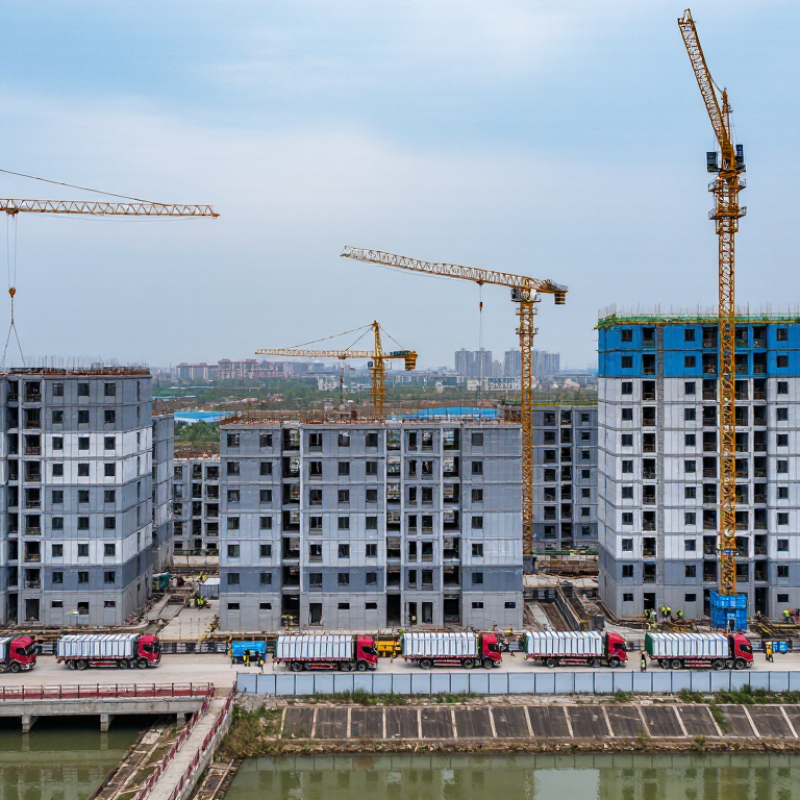
China Top Modular Housing What Are the Disadvantages?

What Is Modular Housing in China?

Modular housing in China means homes assembled from factory-made modules, rather than built entirely on site. Rooms, bathrooms, or structural sections are produced under controlled conditions, then transported and connected at the project location. This method differs from simple prefabrication because larger three-dimensional units arrive nearly complete. China’s Ministry of Housing and Urban-Rural Development has reported rapid growth in prefabricated construction, with annual completed floor area reaching hundreds of millions of square metres in recent years. The figure shows scale, not guaranteed quality.

Factory production can improve consistency and reduce weather delays. A McKinsey industry report estimates that modular construction may shorten schedules by 20–50% when planning is mature. However, Chinese projects often face dense cities, narrow roads, and varied local building requirements. A module may fit the factory perfectly but meet unexpected transport limits outside it. Cranes, temporary storage, and special foundations can also raise early costs. That is easy to underestimate.

Design flexibility is another weakness. Late changes to plumbing, windows, or room dimensions may require expensive factory revisions. Connections between modules need careful waterproofing and fire protection. The International Energy Agency reports that buildings and construction account for about 30% of global energy demand, so energy performance still depends on insulation, ventilation, and operation—not only factory production. In practice, modular housing can feel efficient, but it is not automatically cheaper, greener, or more comfortable. Local inspections and long-term maintenance deserve closer attention.

China Modular Housing: Common Disadvantages

The chart uses a practical 1–5 sensitivity scale, where 5 indicates a major planning concern. In China, modular housing can reduce on-site construction work, but transportation limits, crane access, connection tolerances, regional building codes, customization constraints, and moisture control may increase project complexity.

Why Do Buyers Consider Chinese Modular Homes?

Why Do Buyers Consider Chinese Modular Homes?

Buyers often consider Chinese modular homes because factory production can make pricing easier to compare. McKinsey’s 2019 modular construction report found that modular methods may reduce construction schedules by 20–50% and costs by up to 20%. Those figures are not guaranteed. However, they explain the appeal of standardized wall panels, pre-cut wiring, and repeatable bathroom units.

Export buyers also value speed. A home can arrive with doors, insulation, and basic fixtures already installed. This reduces work on a remote site. It may also limit weather delays. The same factory setting can improve measurement control, according to the report. Still, quality depends heavily on drawings, materials, and inspection procedures.

There are disadvantages.

Shipping can add weeks and unexpected costs. Buyers must check local wind, snow, fire, and energy requirements before ordering. A design suitable for a mild coastal area may fail in a cold mountain region. Replacement panels may also be difficult to source after installation.

The International Code Council notes that off-site construction still requires compliance with local building codes and inspections. Buyers should request test certificates, tolerances, moisture protection details, and a clear warranty.

Cheap does not always mean efficient. My practical concern is simple: a small design error, repeated across twenty factory units, becomes a large problem.

What Are the Main Disadvantages of Modular Housing?

Modular housing is not automatically cheaper or faster. The main disadvantages begin before the factory opens. McKinsey & Company’s 2019 report estimated a potential $130 billion annual modular market in Europe and the United States. It also projected major productivity gains. That figure shows opportunity, not guaranteed savings. Transport, cranes, foundations, permits, and utility connections can quickly increase costs. A narrow road may require special lifting arrangements. Site work still depends on local soil and weather.

Design changes become expensive after production starts. Buyers must decide early on plumbing, electrical routes, finishes, and window positions. This limits flexibility when personal needs change. Quality may also vary between factory production and site assembly. A small alignment error can cause leaks, drafts, or visible seams. Dodge Data & Analytics reported prefabrication use above 60% in its 2020 industry survey, but adoption also requires stronger coordination. Financing and resale may be harder where comparable sales are limited. I would not call this risk minor.

Tips: Request a complete cost schedule. Include transport, crane hire, foundations, taxes, and contingency. Ask for inspection records and moisture-testing procedures. Compare the factory timeline with permit and utility dates. Keep a 10–15% contingency fund. It helps, but it cannot fix poor planning. Talk with an independent surveyor before signing.

China Top Modular Housing What Are the Disadvantages? - What Are the Main Disadvantages of Modular Housing?

Disadvantage Typical Impact Indicative Data or Constraint Possible Mitigation
Transportation and Site Access Large modules may require route surveys, traffic controls, and special delivery planning. Common road restrictions include bridge load limits, narrow access roads, low clearances, and turning-radius constraints. Oversized loads may require permits and escorts. Complete a transport study before design finalization and use smaller modules where access is restricted.
Crane and Lifting Requirements Installation depends on suitable lifting equipment, a stable setup area, and favorable weather conditions. Crane capacity and reach must be verified for the module weight, lifting radius, ground bearing capacity, and overhead obstructions. Prepare a certified lifting plan, confirm ground conditions, and schedule lifting during safe weather windows.
Limited Design Flexibility Highly customized layouts can reduce the speed and cost advantages of factory production. Module dimensions, structural grids, transport limits, and connection points can restrict room widths, ceiling heights, and irregular floor plans. Develop the architectural grid early and standardize repeated room types and service zones.
Higher Upfront Coordination Design decisions must be completed earlier than in many traditional projects, leaving less room for late changes. Structural, architectural, mechanical, electrical, transport, and foundation designs must be coordinated before factory production begins. Use detailed coordination drawings, clash detection, and formal change-control procedures.
Site and Foundation Work Still Required Factory production does not eliminate excavation, foundations, utility connections, drainage, or external works. Ground conditions, slope, frost depth, seismic requirements, and local codes can significantly affect foundation design and cost. Carry out geotechnical investigations and obtain utility and site-work quotations before setting the project budget.
Approval and Code Compliance Approval can be more complicated when factory-built components, imported materials, or unfamiliar construction systems are involved. Projects may need evidence for structural safety, fire resistance, thermal performance, energy efficiency, accessibility, and local planning rules. Engage local code consultants and authorities during concept design rather than after manufacturing starts.
Weather and Factory-to-Site Interface Rain, wind, flooding, or poor site conditions can delay transport, lifting, waterproofing, and final connections. The building is not complete when modules arrive; joints, seals, utilities, cladding, and site drainage still require careful installation. Use weather-resistant detailing, protect stored modules, and include a site completion and inspection checklist.
Financing and Valuation Uncertainty Lenders, insurers, or valuers may have less experience with modular construction than with conventional buildings. Payment schedules may require substantial deposits before modules are delivered, creating additional cash-flow pressure. Confirm lending, insurance, valuation, warranty, and payment requirements before signing the supply contract.
Repair and Alteration Constraints Later extensions, plumbing changes, or wall removals may be difficult if services and structural elements are integrated into modules. Unrecorded modifications can affect fire separation, waterproofing, structural integrity, and warranty coverage. Keep accurate as-built drawings, provide service access panels, and obtain engineering approval for alterations.
Perceived Quality and Resale Concerns Some buyers may associate modular housing with temporary or lower-quality construction, even when the building meets required standards. Market acceptance depends on documentation, visible workmanship, durability, energy performance, and compliance records. Provide inspection records, product warranties, maintenance information, and independent compliance documentation.
Supply-Chain and Schedule Risk A delay in one critical component can affect factory completion, shipping, installation, and occupancy. Long-lead items may include windows, electrical equipment, plumbing fixtures, specialist finishes, and transport capacity. Identify critical-path materials early, approve alternatives in advance, and include realistic schedule contingencies.

Note: The constraints and impacts shown are general considerations for modular housing. Actual costs, schedules, regulatory requirements, and performance depend on project location, building type, module size, site conditions, transport route, and local construction standards.

How Do Quality, Shipping, and Installation Create Risks?

China Top Modular Housing: What Are the Disadvantages?

Quality control can vary between modular housing projects. A clean factory floor does not guarantee a reliable finished unit. Inspectors should check steel connections, insulation thickness, window seals, wiring, and fire-rated materials. Small defects may become serious after transport. A loose seal can admit rainwater. Poorly protected steel can develop rust before installation. Factory photos are not proof.

Shipping creates another risk. Modules may travel thousands of kilometers by truck or ship. Salt air, vibration, and repeated lifting can damage panels, pipes, and interior finishes. Packaging must protect corners and connection points. Load plans also need careful review. A delayed shipment can leave cranes and workers waiting on site. That cost is often underestimated. Weather can make matters worse.

Installation requires local experience, not only factory instructions. Foundations must match the module dimensions within tight tolerances. A small error can cause uneven floors, leaking joints, or difficult utility connections. Electrical and plumbing systems must also meet local building requirements. Independent inspections are valuable before shipping and after assembly. I have seen projects where installation teams rushed the final sealing work. The units looked complete, but air leaks appeared during the first cold week. Better communication might have prevented it. Yet drawings can still be unclear, and buyers should allow time for corrections.

What Should Buyers Check Before Choosing a Chinese Modular Home?

Choosing a Chinese modular home requires more than comparing factory prices. Buyers should verify local building codes, structural calculations, and certification documents before paying a deposit. Ask whether the design handles your region’s wind, snow, earthquakes, and temperature changes. A house suitable for a mild climate may perform poorly in a cold, humid area.

Inspect the wall panels, roof joints, windows, and bathroom seals carefully. Request material specifications for steel, insulation, wiring, plumbing, and fire resistance. Photos are useful, but an independent factory inspection is more reliable. Check moisture protection, especially around doors and floor connections. Small sealing defects can become expensive repairs after one wet season.

Delivery creates another risk. Confirm shipping terms, unloading equipment, foundation requirements, installation duties, and customs paperwork in writing. Ask who fixes damage found after arrival. Review the warranty line by line, including response times and replacement costs. Speak with recent buyers, not only supplied references. I have seen attractive quotes exclude transport, site preparation, and local engineering fees. That mistake changes the budget quickly. The cheapest option may also use thinner insulation or simpler hardware. It is worth requesting a finished sample room, although even that cannot reveal every long-term problem. During evaluation, keep a written checklist and have a qualified local professional review the contract and drawings.

FAQS

Why do buyers consider Chinese modular homes?

Factory production can make prices easier to compare. Standard wall panels reduce repeated site work. Speed attracts remote-site buyers. Savings are possible, not guaranteed.

Can modular construction shorten a building schedule?

It may reduce construction time by 20–50%. Doors, insulation, and basic fixtures can arrive installed. Site work becomes simpler. Delays still happen.

What quality checks should buyers request?

Inspect steel connections, insulation thickness, window seals, wiring, and fire-rated materials. Request test certificates and tolerance records. Factory photos are not proof.

How can shipping damage modular homes?

Long transport exposes modules to vibration, salt air, and repeated lifting. Panels, pipes, and finishes may suffer damage. Corners and connection points need strong packaging. Small damage matters.

What unexpected shipping costs can occur?

Delays may leave cranes and workers waiting onsite. Extra storage, handling, or weather protection can increase costs. Buyers should review load plans carefully. Estimates are sometimes too optimistic.

What local requirements must buyers check?

Buyers should check wind, snow, fire, energy, electrical, and plumbing rules. Local inspections may remain necessary. A coastal design may fail in a mountain climate.

Why is installation accuracy important?

Foundations must match module dimensions closely. Small errors can create uneven floors or leaking joints. Utility connections may also become difficult. Tight tolerances matter.

Can replacement panels be difficult to obtain?

Yes, especially after installation. Buyers should confirm replacement procedures before ordering. Keep drawings, material lists, and spare parts records. This step is easy to overlook.

What warranty details should buyers request?

Request clear coverage for leaks, structural connections, finishes, and transport damage. Define response times and repair responsibilities. A vague warranty creates later arguments.

What is one practical risk buyers often underestimate?

One design error repeated across twenty units can become a major problem. Rushed sealing may cause air leaks during the first cold week. Better communication helps, but it cannot fix unclear drawings.

Conclusion

Modular housing in China refers to homes manufactured partly or fully in controlled factory environments before being transported to the construction site for assembly. Buyers may consider these homes because they can offer competitive pricing, faster production, flexible layouts, and efficient use of materials. However, the question “what are the disadvantages of modular housing” deserves careful attention before making a decision.

Potential disadvantages include differences in construction standards, uncertain material quality, limited customization, transportation damage, import procedures, and unexpected shipping or site-preparation costs. Installation may also become difficult if local foundations, utilities, or weather conditions are not properly considered. Buyers should examine technical drawings, building-code compliance, insulation and safety specifications, warranty terms, payment conditions, quality-control procedures, and the supplier’s experience with international projects. A clear inspection plan, reliable logistics arrangement, and qualified local installation team can help reduce risks and ensure that the finished home meets practical, legal, and safety requirements.

Ethan

Ethan

Ethan is a seasoned marketing professional with a deep expertise in our company's innovative product line. With a passion for sharing knowledge and insights, he takes the lead in regularly updating our corporate blog, where he explores industry trends, product features, and effective marketing......