In recent years, modular housing has gained traction as a viable solution to meet housing demands. A recent report from the Modular Building Institute reveals that the modular construction market is projected to grow by 6.9% annually until 2026. As this trend accelerates, understanding what materials are used in modular housing becomes critical for builders and buyers alike.
Expert Michael C. Hines, a leading architect in the modular sector, emphasizes the importance of material choice: "Selecting the right materials can significantly enhance the durability and energy efficiency of modular homes." Popular materials in the industry include steel, wood, and advanced composites. Each material offers unique benefits and challenges that require careful consideration before making selections.
While many focus on aesthetic appeal, structural integrity and sustainability are equally crucial. Builders must reflect on whether their material choices align with long-term environmental goals. A diverse range of opinions exists on the best materials, underscoring the need for informed decision-making in this evolving landscape.
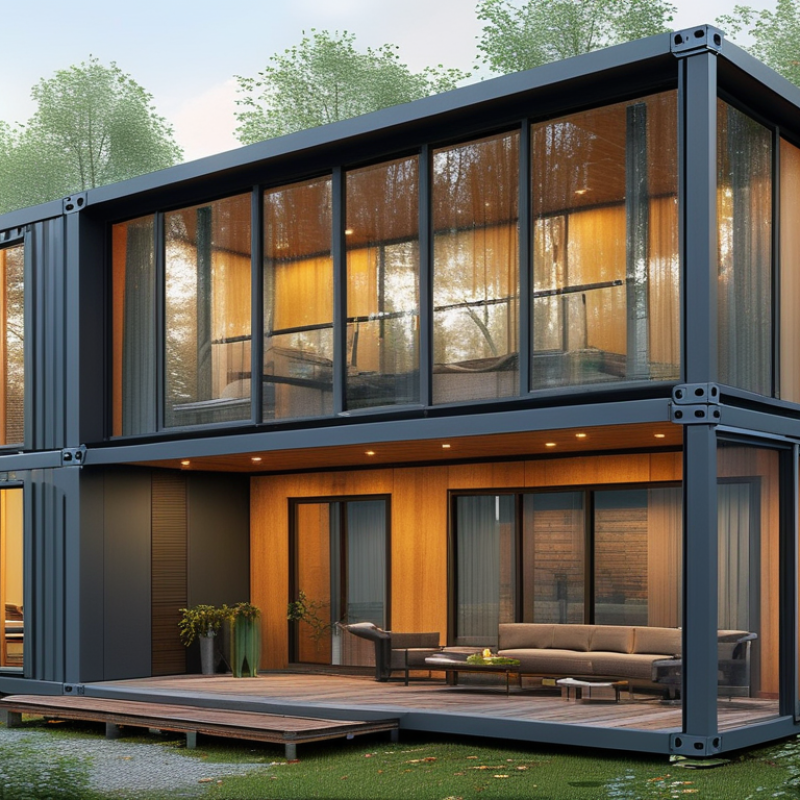
Modular housing is an innovative approach to construction that offers numerous advantages. Understanding its key concepts is crucial for making informed choices about materials. Modular homes can be constructed faster than traditional homes, often in a controlled environment. This efficiency allows for greater quality control and reduces waste. When considering materials, one should prioritize durability and sustainability. For instance, using recycled steel or eco-friendly insulation can significantly enhance the home's longevity and reduce its environmental footprint.
The benefits of modular housing go beyond efficiency. They offer design flexibility and adaptability to various climates. These homes can be customized to fit personal preferences and local regulations. However, it's essential to acknowledge that not all modular homes are created equal. Some may cut corners on materials to reduce costs. Therefore, thorough research on material sourcing and construction methods is vital. Engaging with knowledgeable professionals can ensure that the final product meets safety standards and personal expectations.
| Material Type | Benefits | Cost per Unit | Durability (Years) | Environmental Impact |
|---|---|---|---|---|
| Wood | Renewable resource, good insulation | $3.50 per sq.ft. | 30-50 | Low |
| Steel | Strong, recyclable, fire resistant | $6.50 per sq.ft. | 50+ | Moderate |
| Concrete | Durable, excellent thermal mass | $7.00 per sq.ft. | 75+ | High |
| Wood Composites | Cost-effective, versatile designs | $5.00 per sq.ft. | 20-30 | Low to Moderate |
| Glass | Natural light, aesthetic appeal | $15.00 per sq.ft. | 30-50 | High if not sourced sustainably |
: Choose materials that withstand weather conditions. Wood and metal have different lifespans and maintenance needs.
Coastal areas need rust-resistant materials. High humidity can cause moisture issues, so choose accordingly.
Yes, many buyers prefer eco-friendly options like recycled materials. They may cost more initially but offer long-term benefits.
Aesthetic choices influence resale value. Align colors with local styles for better appeal. Trends can quickly change.
Not necessarily. Some may have hidden environmental costs related to extraction or transportation. Evaluate the entire lifecycle.
Locally sourced materials reduce transportation emissions and support local economies. They can be a better option for eco-friendliness.
Look for verified standards that promote eco-friendly practices. This ensures credibility in your material selection process.
Yes, selecting durable and sustainable materials can lower energy costs and reduce waste in the long run.
You must balance cost, durability, and environmental impact. A careful approach minimizes regrets in decision-making.
Trends can feel outdated quickly. Aim for a mix of modern appeal and timeless choices for lasting value.
The article "2026 How to Choose the Right Materials for Modular Housing?" explores the essential aspects of modular housing, emphasizing its key concepts and numerous benefits. It discusses what materials are used in modular housing, highlighting common choices such as steel, wood, and eco-friendly options. The article also addresses crucial factors to consider when selecting materials, including durability, insulation properties, and aesthetic preferences.
Furthermore, it delves into the sustainability and environmental impacts of various materials, underscoring the importance of eco-conscious choices in modern construction. A cost analysis section balances the need for quality against budget constraints, guiding readers on how to make informed decisions that align with their financial plans while ensuring the longevity and efficiency of their modular homes.

 Shupshy Container